Tech-driven pharma ingredients
Ingredient sourcing platform
Regulatory compliance platform
Specialized excipients developed to maintain stability, sterility, and compatibility in injectable formulations, ensuring safety and efficacy in every dose.
Comprehensive solutions supporting every stage of biologics development—formulated for purity, process efficiency, and superior therapeutic performance.
High-purity amino acid excipients engineered to enhance formulation stability, solubility, and bioavailability across a wide range of dosage forms.
Pharma-grade excipients designed with low endotoxin levels to support consistent quality and performance throughout vaccine formulation and production.
A trusted range of plasma-derived materials, Manufactured to meet global standards of purity and compliance.
Pharmaceutical-grade excipients that adhere to leading pharmacopeial monographs, ensuring regulatory readiness and uncompromised quality for global markets.
We collaborate with R&D labs on diverse product developments, transforming innovative ideas into ingredients that meet global quality and regulatory standards.
Expand your global reach with Clyzo’s advanced technology solutions. Maximize capacity utilization, streamline tech transfers, and bring new projects to market faster and more efficiently.
.png)
06-08-2026
PEG 400, or polyethylene glycol 400, is a low molecular weight, liquid grade polyethylene glycol used across the pharmaceutical industry as a solvent, co-solvent, and carrier for poorly water soluble drugs in oral, topical, and parenteral formulations. With an average molecular weight of approximately 400 g/mol, it sits at the liquid end of the PEG family, distinct from the waxy, solid grades like PEG 4000 or PEG 6000 used mainly in tablet coatings. For Indian pharmaceutical manufacturers, sourcing pharmaceutical grade PEG 400 from a supplier who can meet pharmacopoeial purity limits is a routine but important procurement decision that directly affects formulation safety and regulatory compliance.
PEG 400 is a polyether compound formed by the polymerization of ethylene oxide, with the general structure H-(O-CH2-CH2)n-OH. Because it is produced as a mixture of chain lengths rather than a single defined molecule, the number 400 refers to the average molecular weight of the polymer distribution, not a single fixed mass. At room temperature, PEG 400 exists as a clear, colorless to pale yellow, viscous liquid that is miscible with water, alcohols, and many organic solvents, which is precisely why it is so valuable as a pharmaceutical solvent.
Solubilizing poorly water soluble drugs
PEG 400 is one of the most widely used co-solvents for improving the solubility of active pharmaceutical ingredients that do not dissolve well in water alone, a common challenge across oral liquids, soft gel capsules, and injectable formulations.
Carrier in oral, topical, and parenteral products
It functions as a base or carrier for oral solutions and suspensions, as a component in ointment and cream bases, and, at appropriately controlled purity, as a solvent system in select parenteral formulations.
Suppository and semisolid bases
PEG 400 is commonly blended with higher molecular weight PEGs to create suppository bases with a specific melting point and dissolution behavior.
Ophthalmic formulations
Certain low endotoxin grades of PEG 400 are used in ophthalmic solutions, including artificial tears, where it helps adjust viscosity and improve lubrication while remaining biocompatible and non-irritating to ocular tissue.
Humectant and viscosity modifier
In topical and cosmetic-adjacent pharmaceutical products, PEG 400 also acts as a humectant, helping formulations retain moisture and maintain a smooth, spreadable consistency.
Because PEG is manufactured through the polymerization of ethylene oxide, trace levels of certain process related impurities must be tightly controlled for pharmaceutical use. Formulators sourcing PEG 400 in India should confirm the following, ideally against USP-NF, BP, or Ph. Eur. monograph limits:
These are not optional checks. Ethylene glycol and diethylene glycol contamination in PEG based excipients has been linked to serious safety incidents globally in pharmaceutical products, which is why regulatory scrutiny on these specific impurities has intensified across major markets, including India.
A frequent point of confusion for formulators new to PEG sourcing is understanding when to use PEG 400 versus higher molecular weight grades like PEG 4000 or PEG 6000.
PEG 400 is recognized under USP-NF, BP, and Ph. Eur. monographs as a pharmaceutical excipient, and is generally regarded as safe with reported systemic absorption below roughly 0.5 percent following oral administration, reflecting its low toxicity profile at the doses typically used in formulations. Because it is used across such a wide range of dosage forms including injectables, formulators should always confirm the specific grade and its documented compliance with the intended administration route before finalizing a formulation.
India has a well developed domestic supply base for pharmaceutical grade PEG 400, ranging from established ISO certified and WHO-GMP certified manufacturers offering the full PEG range from PEG 200 through PEG 20000, to regional exporters and specialty excipient distributors. Pricing for PEG 400 in India typically sits in the range of several hundred rupees per kilogram for standard pharmaceutical grade material, though pricing varies by purity grade, pack size, and order volume, and buyers should always request current quotations rather than relying on indicative pricing.
When evaluating suppliers, prioritize those who can provide full documentation against your target pharmacopoeial monograph, low endotoxin grade options if your application requires them, and consistent batch to batch quality, since PEG 400's role as a solvent means any variability directly affects the finished formulation's solubility and stability behavior.
Formulators in India looking for a dependable, well documented source of pharmaceutical grade PEG 400 can explore Clyzo, a digital procurement platform for pharmaceutical excipients and raw materials based in Thane, Maharashtra. Clyzo's online catalog allows formulators to search across PEG grades, review technical documentation and compendial compliance details, request samples, and generate quotations without relying purely on the slower, relationship driven processes that have traditionally defined excipient sourcing in India.
1. What is PEG 400 used for in pharmaceuticals?
PEG 400 is used as a solvent and carrier to improve the solubility of poorly water soluble drugs in oral, topical, and select parenteral and ophthalmic formulations, and as a component in ointment, cream, and suppository bases.
2. What does the number 400 in PEG 400 mean?
The number 400 refers to the average molecular weight, in Daltons, of the polyethylene glycol polymer distribution, not a single fixed molecular weight.
3. Is PEG 400 safe for use in pharmaceutical products?
Yes, PEG 400 is recognized as safe under major pharmacopoeial monographs when manufactured to pharmaceutical grade purity, with reported systemic absorption below roughly 0.5 percent after oral administration.
4. Why are ethylene glycol and diethylene glycol limits important in PEG 400?
Ethylene glycol and diethylene glycol are toxic process related impurities that can form during PEG manufacturing, and pharmaceutical grade material must keep these well below strict pharmacopoeial limits, commonly cited around 30 ppm and 300 ppm respectively for high grade material, to ensure patient safety.
5. What is the difference between PEG 400 and PEG 4000?
PEG 400 is a liquid at room temperature and used mainly as a solvent or carrier, while PEG 4000 is a solid, waxy powder used mainly as a binder, lubricant, or film coating component in solid dosage forms like tablets.
6. Can PEG 400 be used in injectable formulations?
Yes, appropriately purified, low endotoxin grades of PEG 400 are used as a co-solvent in some parenteral formulations, though the specific grade must be confirmed as suitable for the intended route of administration.
7. Is PEG 400 used in ophthalmic products?
Yes, low endotoxin grades of PEG 400 are used in ophthalmic solutions such as artificial tears, where it helps adjust viscosity and improve lubrication while remaining non-irritating to the eye.
8. What documentation should I request from a PEG 400 supplier in India?
Request a certificate of analysis confirming compliance with the relevant USP-NF, BP, or Ph. Eur. monograph, along with specific data on ethylene glycol, diethylene glycol, and heavy metal content, plus a technical data sheet and safety data sheet.
9. Where can I source pharmaceutical grade PEG 400 in India?
PEG 400 can be sourced from established Indian PEG manufacturers offering the full pharmaceutical grade range, regional exporters, and digital procurement platforms such as Clyzo, which allow formulators to compare documentation and request samples online.
PEG 400 remains one of the most widely used solvent excipients in pharmaceutical formulation precisely because of its versatility across oral, topical, ophthalmic, and select parenteral products. For Indian manufacturers, the sourcing decision comes down to verifying pharmacopoeial compliance, particularly around ethylene glycol and diethylene glycol impurity limits, and working with a supplier who can consistently deliver documented, batch reproducible material for the specific route of administration involved.
We’d love to hear from you. Please fill out this form.
Ethanol 99% Injectable Grade: USP, Ph.Eur., BP, JP... ... Ethanol 99% Injectable Grade: USP, Ph.Eur., BP, JP & GMP Guide | Clyzo Read more
Ethanol 96% Injectable Grade in India: USP, Ph.Eur... ... Ethanol 96% Injectable Grade in India: USP, Ph.Eur., BP, JP & GMP | Clyzo Read more
Pharma Grade Ethanol: A Complete Guide to Injectab... ... Pharma Grade Ethanol: A Complete Guide to Injectable, USP, Ph.Eur., BP and IPEC Grades Read more
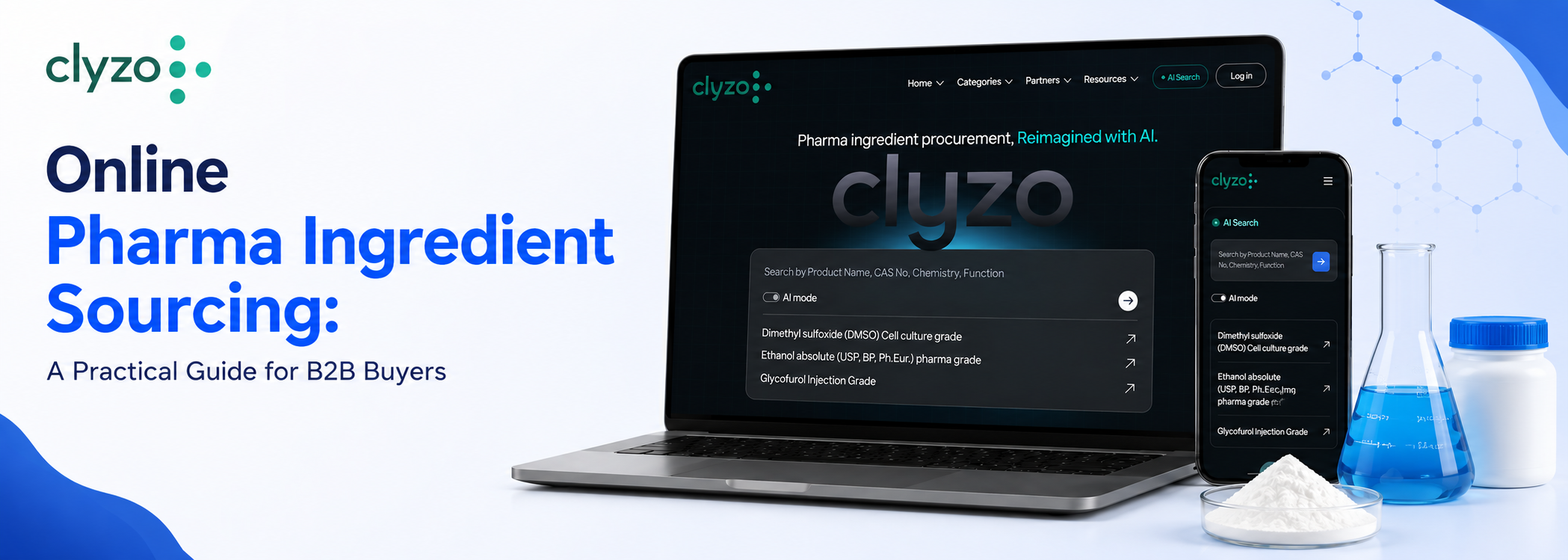
Online Pharma Ingredient Sourcing: A Practical Gui... ... Online Pharma Ingredient Sourcing: A Practical Guide for Buyers Read more
Pharma Raw Material Supplier in India: How to Choo... ... Pharma Raw Material Supplier in India: How to Choose the Right One Read more
Digital Pharma Sourcing in India: How B2B Buyers A... ... Digital Pharma Sourcing in India: How B2B Buyers Are Changing the Way They Source Excipients Read more
PEG 4000 (Polyethylene Glycol 4000) Pharmaceutical... ... PEG 4000 (Polyethylene Glycol 4000) Pharmaceutical Supplier in India: Complete Guide Read more
Chicken, Liver, and Meat Flavor Pharmaceutical Exc... ... Chicken, Liver, and Meat Flavor Pharmaceutical Excipients: The Backbone of Veterinary Medicine Compliance in India Read more
Polysorbate 80 Pharmaceutical Grade Supplier India... ... Polysorbate 80 Pharmaceutical Grade Supplier India: The Complete Sourcing Guide Read more
Polysorbate 80 Pharmaceutical Grade India: 10 Fact... ... Polysorbate 80 Pharmaceutical Grade India: 10 Facts Every Buyer Should Know Read more
PS 80 Excipient Supplier India: A 10 Point Buyer C... ... PS 80 Excipient Supplier India: A 10 Point Buyer Checklist Read more
Polysorbate 80 Injectable Grade Excipient: 10 Fact... ... Polysorbate 80 Injectable Grade Excipient: 10 Facts You Need to Know Read more
Polysorbate 80 USP NF Bulk Supplier: A 10 Point So... ... Polysorbate 80 USP NF Bulk Supplier: A 10 Point Sourcing Checklist Read more
Polysorbate 80 Pharmaceutical Grade India: What Bu... ... Polysorbate 80 Pharmaceutical Grade India: What Buyers Need to Know Read more
PS 80 Excipient Supplier India: How to Choose the ... ... PS 80 Excipient Supplier India: How to Choose the Right Partner Read more
Polysorbate 80 Injectable Grade Excipient: A Sourc... ... Polysorbate 80 Injectable Grade Excipient: A Sourcing Guide for Parenteral Formulations Read more
Polysorbate 80 USP NF Bulk Supplier: What to Know ... ... Polysorbate 80 USP NF Bulk Supplier: What to Know Before You Scale Up Read more
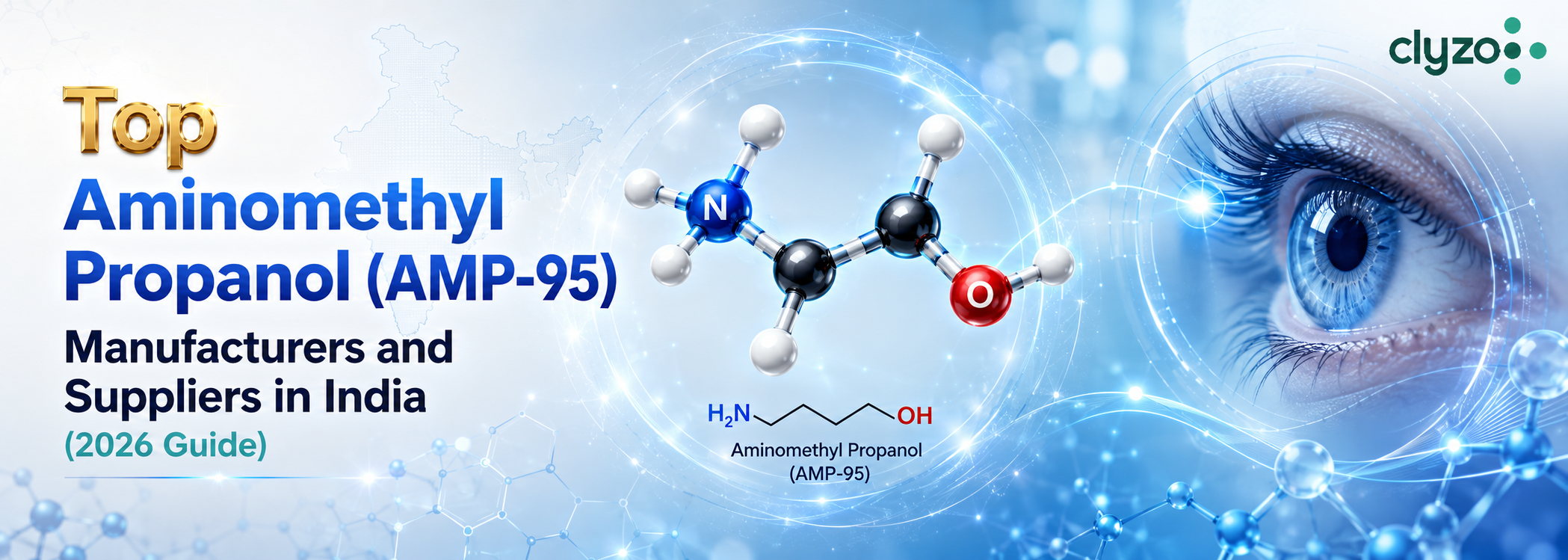
Top AMP-95 (Aminomethyl Propanol) Manufacturers an... ... Top AMP-95 (Aminomethyl Propanol) Manufacturers and Suppliers in India (2026 Guide) Read more
.jpg)
How AMP Works as a pH Buffer in Injectable, Ophtha... ... How AMP Works as a pH Buffer in Injectable, Ophthalmic, and Topical Formulations Read more
.jpg)
AMP vs Other Alkalizing Agents in Pharma Formulati... ... AMP vs Other Alkalizing Agents in Pharma Formulations: TRIS, Triethanolamine, and Sodium Hydroxide Compared Read more
AMP Excipient Safety: Toxicity, Irritation Potenti... ... AMP Excipient Safety: Toxicity, Irritation Potential, and Regulatory Status Read more
Chlorobutanol Preservative Safety: Toxicity Data, ... ... Chlorobutanol Preservative Safety: Toxicity Data, Regulatory Status, and Usage Limits Read more
Top Chlorobutanol Anhydrous Manufacturers and Supp... ... Top Chlorobutanol Anhydrous Manufacturers and Suppliers in India (2026 Guide) Read more
Chlorobutanol as a Preservative in Injectables, Ey... ... Chlorobutanol as a Preservative in Injectables, Eye Drops, and Nasal Sprays Read more
Chlorobutanol Anhydrous vs Hemihydrate: Which Grad... ... Chlorobutanol Anhydrous vs Hemihydrate: Which Grade Should You Choose? Read more
Chlorobutanol Anhydrous Pharmaceutical Excipient: ... ... Chlorobutanol Anhydrous Pharmaceutical Excipient: Uses, Grades, and Sourcing in India Read more
Benzyl Alcohol: A Pharmaceutical Excipient India S... ... Benzyl Alcohol: A Pharmaceutical Excipient India Supplier Guide for Preservative Sourcing Read more
Tyloxapol: A Specialized Pharmaceutical Excipient ... ... Tyloxapol: A Specialized Pharmaceutical Excipient Supplier in India Can Help You Source Correctly Read more
SLS (Sodium Lauryl Sulfate): A Complete Guide for ... ... SLS (Sodium Lauryl Sulfate): A Complete Guide for Pharma Excipient Buyers in India Read more
.jpg)
Polysorbate 80 (PS 80): The Pharmaceutical Excipie... ... Polysorbate 80 (PS 80): The Pharmaceutical Excipient Supplier India Trusts for Surfactant Applications Read more
Amine Fluoride 33%: Sourcing Guide for This Pharma... ... Amine Fluoride 33%: Sourcing Guide for This Pharmaceutical Excipient Supplier Ingredient Read more
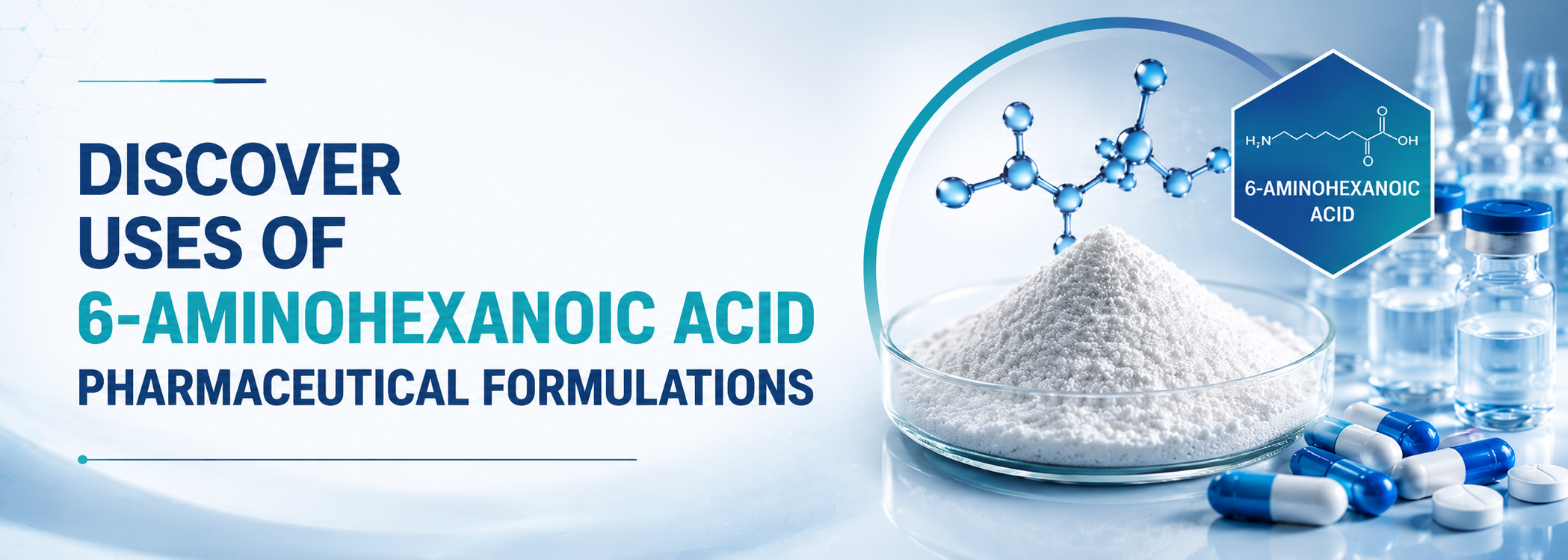
6-Aminohexanoic Acid: Uses in Pharmaceutical Formu... ... 6-Aminohexanoic Acid: Uses in Pharmaceutical Formulations Read more
How to Source Pharmacopoeial-Grade 6-Aminohexanoic... ... How to Source Pharmacopoeial-Grade 6-Aminohexanoic Acid Online in India Read more
6-Aminohexanoic Acid Specifications: What Buyers S... ... 6-Aminohexanoic Acid Specifications: What Buyers Should Check Before Purchase Read more
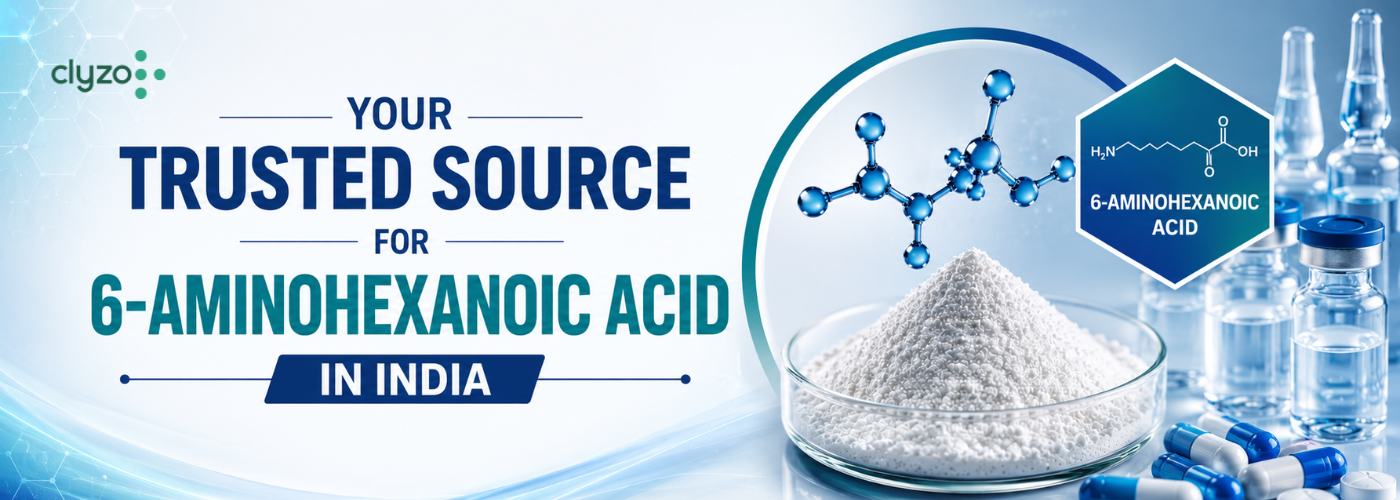
6-Aminohexanoic Acid Supplier in India: A Complete... ... 6-Aminohexanoic Acid Supplier in India: A Complete Sourcing Guide Read more
.png)
L-Arginine Hydrochloride Excipient Supplier in Ind... ... L-Arginine Hydrochloride Excipient Supplier in India Read more



.png)

.png)