Tech-driven pharma ingredients
Ingredient sourcing platform
Regulatory compliance platform
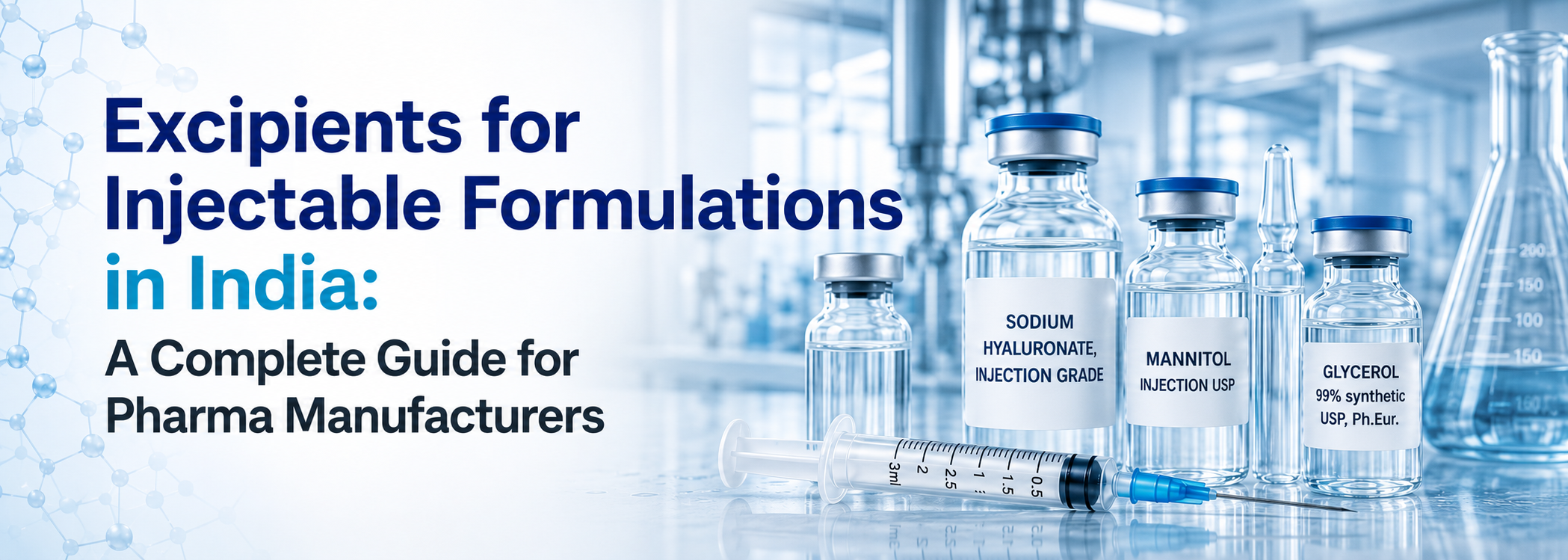
Specialized excipients developed to maintain stability, sterility, and compatibility in injectable formulations, ensuring safety and efficacy in every dose.
Comprehensive solutions supporting every stage of biologics development—formulated for purity, process efficiency, and superior therapeutic performance.
High-purity amino acid excipients engineered to enhance formulation stability, solubility, and bioavailability across a wide range of dosage forms.
Pharma-grade excipients designed with low endotoxin levels to support consistent quality and performance throughout vaccine formulation and production.
A trusted range of plasma-derived materials, Manufactured to meet global standards of purity and compliance.
Pharmaceutical-grade excipients that adhere to leading pharmacopeial monographs, ensuring regulatory readiness and uncompromised quality for global markets.
We collaborate with R&D labs on diverse product developments, transforming innovative ideas into ingredients that meet global quality and regulatory standards.
Expand your global reach with Clyzo’s advanced technology solutions. Maximize capacity utilization, streamline tech transfers, and bring new projects to market faster and more efficiently.
28-07-2026
Polysorbate 80, also known as Tween 80, PS 80, or polyoxyethylene 20 sorbitan monooleate, is one of the most widely used non ionic surfactants in the global pharmaceutical industry. With CAS number 9005-65-6, this excipient appears in thousands of drug formulations, from oral tablets and topical creams to injectable biologics and vaccines. If you are searching for a polysorbate 80 pharmaceutical grade India supplier, evaluating a PS 80 excipient supplier India, comparing Tween 80 pharma grade supplier India options, or sourcing polysorbate 80 injectable grade excipient and polysorbate 80 USP NF bulk supplier quantities, this guide brings everything together in one place.
Polysorbate 80 is derived from polyethoxylated sorbitan combined with oleic acid, producing a viscous, water soluble, pale yellow liquid with strong amphiphilic properties. This means it has both a hydrophilic (water loving) region and a lipophilic (oil loving) region, which allows it to bridge ingredients that normally do not mix. That single property is why Polysorbate 80 shows up across such a wide range of pharmaceutical applications, appearing as an inactive ingredient in thousands of marketed drug products worldwide.
Unlike an active pharmaceutical ingredient, Polysorbate 80 does not treat a condition on its own. Instead, it solves formulation problems that would otherwise prevent a medicine from working properly, which is exactly why understanding its function matters as much as understanding its chemistry when you are evaluating suppliers.
Polysorbate 80 performs several distinct roles depending on the dosage form it is used in.
As a solubilizer, it helps dissolve active ingredients that have poor water solubility, forming micelles that increase apparent solubility and support more predictable absorption. This function is particularly valuable in oral suspensions and certain intravenous formulations, including some antiarrhythmic drug preparations where Polysorbate 80 is used specifically to keep the active ingredient in solution.
As an emulsifier, Polysorbate 80 stabilizes oil in water systems by reducing interfacial tension between the two phases. This is essential in topical creams, lotions, and lipid based injectable emulsions, where droplet stability directly affects product shelf life and performance.
As a protein and biologic stabilizer, Polysorbate 80 protects sensitive molecules from aggregation during manufacturing, shipping, and storage. This function has made it a standard component in many vaccines, including several influenza vaccines and certain COVID-19 vaccines, typically present in only a few micrograms per dose, as well as in monoclonal antibody and other protein therapeutic formulations.
As a wetting and dispersing agent, it improves how well solid particles disperse in a liquid vehicle, supporting more uniform dosing in oral suspensions and certain topical products.
Not all Polysorbate 80 sold in the market is suitable for pharmaceutical use. Pharmaceutical grade material must comply with the specifications set out in USP-NF, Ph. Eur., or IP monographs, covering parameters such as acid value, peroxide value, water content, and heavy metal limits. Industrial or cosmetic grade Polysorbate 80, sometimes offered at a lower Tween 80 price, is manufactured to a different and less rigorous standard, and using it in a pharmaceutical formulation can introduce unacceptable impurities or inconsistent performance.
Peroxide value deserves particular attention. Because Polysorbate 80 can oxidize over time, elevated peroxide levels can degrade sensitive active ingredients and proteins, which is why batch specific peroxide testing is one of the first documents you should request from any supplier, regardless of whether you are sourcing standard pharmaceutical grade material or polysorbate 80 injectable grade excipient intended for parenteral use.
Injectable formulations carry a higher patient safety bar than oral or topical products, and the Polysorbate 80 used in them should reflect that. Injectable grade material typically requires tighter peroxide value limits, more extensive impurity testing, and in some cases additional bioburden or endotoxin data, depending on how the excipient is incorporated into the manufacturing process. If your formulation involves parenteral administration or biologic stabilization, confirm with your supplier that they can specifically support this grade, rather than assuming standard pharmaceutical grade material is automatically suitable.
For manufacturers moving from development into commercial production, bulk sourcing introduces its own set of considerations. A genuine polysorbate 80 USP NF bulk supplier should be able to demonstrate compliance with the current USP-NF monograph through documented testing, not just a general compliance statement. Ask about minimum order quantities, realistic lead times, and how peroxide value and other quality parameters are monitored across multiple production batches, since bulk orders often span several manufacturing runs over time. Packaging also matters at bulk scale: material should be supplied in containers that protect against light and moisture exposure, since both can accelerate oxidation and peroxide formation during storage and transport.
India's pharmaceutical excipient manufacturing base has grown substantially over the past decade, supported by a combination of cost competitive production, strong domestic raw material access, and an expanding base of manufacturers holding WHO-GMP, ISO 9001, and US DMF filings, including USDMF, JDMF, and CEP documentation depending on the target export market. This has made Indian suppliers a genuinely competitive option for buyers in the United States, Europe, and other regulated markets, not just for domestic Indian formulators. Many suppliers now also offer flexible order quantities, supporting everything from small scale research and development batches through full commercial volumes, along with technical documentation support for regulatory dossier submissions.
A few practical checkpoints can help you narrow down your options quickly:
Because Polysorbate 80 is susceptible to oxidation, it should be stored in tightly sealed containers, protected from light and heat, generally below 25 degrees Celsius. Proper storage is not just a shelf life consideration; it directly affects peroxide value over time, which in turn affects the safety and performance of any formulation the material is eventually used in.
What is the difference between Polysorbate 80 and Tween 80?
Tween 80 is simply the widely used trade name for Polysorbate 80, and both terms refer to the same pharmaceutical grade non ionic surfactant recognized in USP-NF, Ph. Eur., and IP monographs.
Why is peroxide value such an important quality parameter?
Elevated peroxide levels can oxidize and degrade sensitive active ingredients and proteins in a formulation, which is why peroxide value testing is one of the most critical quality checkpoints, particularly for injectable grade and biologic applications.
Is Polysorbate 80 safe for use in vaccines?
Yes, Polysorbate 80 is a well established stabilizer used in several marketed vaccines, typically present in only a few micrograms per dose, where it helps protect proteins and antigens from aggregation during storage and transport.
What documentation should I request from a Polysorbate 80 supplier in India?
Request a batch specific Certificate of Analysis, MSDS, GMP compliance certification, and where applicable, Drug Master File or CEP documentation to support your formulation and regulatory filing requirements.
Does injectable grade Polysorbate 80 require different specifications than standard pharmaceutical grade?
Yes, injectable grade material generally requires stricter peroxide value control and more extensive impurity testing than material used in oral or topical formulations, given its direct contact with the bloodstream.
How should Polysorbate 80 be stored to maintain USP-NF compliant quality?
It should be kept in tightly sealed containers away from light and heat, ideally below 25 degrees Celsius, to minimize oxidation and prevent peroxide levels from rising above acceptable limits.
Whether you need standard pharmaceutical grade material, injectable grade excipient, or USP-NF compliant bulk quantities, choosing the right Polysorbate 80 supplier comes down to documented quality, manufacturing transparency, and reliable regulatory support.
Clyzo supplies pharmaceutical grade Polysorbate 80, PS 80, and Tween 80 with full batch documentation and regulatory support for formulators across India and international markets. Visit clyzo.com to discuss your sourcing requirements and request a sample.
We’d love to hear from you. Please fill out this form.
Ethanol 99% Injectable Grade: USP, Ph.Eur., BP, JP... ... Ethanol 99% Injectable Grade: USP, Ph.Eur., BP, JP & GMP Guide | Clyzo Read more
Ethanol 96% Injectable Grade in India: USP, Ph.Eur... ... Ethanol 96% Injectable Grade in India: USP, Ph.Eur., BP, JP & GMP | Clyzo Read more
Pharma Grade Ethanol: A Complete Guide to Injectab... ... Pharma Grade Ethanol: A Complete Guide to Injectable, USP, Ph.Eur., BP and IPEC Grades Read more
Online Pharma Ingredient Sourcing: A Practical Gui... ... Online Pharma Ingredient Sourcing: A Practical Guide for Buyers Read more
Pharma Raw Material Supplier in India: How to Choo... ... Pharma Raw Material Supplier in India: How to Choose the Right One Read more
Digital Pharma Sourcing in India: How B2B Buyers A... ... Digital Pharma Sourcing in India: How B2B Buyers Are Changing the Way They Source Excipients Read more
.png)
PEG 400 (Polyethylene Glycol 400) Pharmaceutical S... ... PEG 400 (Polyethylene Glycol 400) Pharmaceutical Supplier in India: Complete Guide Read more
PEG 4000 (Polyethylene Glycol 4000) Pharmaceutical... ... PEG 4000 (Polyethylene Glycol 4000) Pharmaceutical Supplier in India: Complete Guide Read more
Chicken, Liver, and Meat Flavor Pharmaceutical Exc... ... Chicken, Liver, and Meat Flavor Pharmaceutical Excipients: The Backbone of Veterinary Medicine Compliance in India Read more
Polysorbate 80 Pharmaceutical Grade India: 10 Fact... ... Polysorbate 80 Pharmaceutical Grade India: 10 Facts Every Buyer Should Know Read more
PS 80 Excipient Supplier India: A 10 Point Buyer C... ... PS 80 Excipient Supplier India: A 10 Point Buyer Checklist Read more
Polysorbate 80 Injectable Grade Excipient: 10 Fact... ... Polysorbate 80 Injectable Grade Excipient: 10 Facts You Need to Know Read more
Polysorbate 80 USP NF Bulk Supplier: A 10 Point So... ... Polysorbate 80 USP NF Bulk Supplier: A 10 Point Sourcing Checklist Read more
Polysorbate 80 Pharmaceutical Grade India: What Bu... ... Polysorbate 80 Pharmaceutical Grade India: What Buyers Need to Know Read more
PS 80 Excipient Supplier India: How to Choose the ... ... PS 80 Excipient Supplier India: How to Choose the Right Partner Read more
Polysorbate 80 Injectable Grade Excipient: A Sourc... ... Polysorbate 80 Injectable Grade Excipient: A Sourcing Guide for Parenteral Formulations Read more
Polysorbate 80 USP NF Bulk Supplier: What to Know ... ... Polysorbate 80 USP NF Bulk Supplier: What to Know Before You Scale Up Read more
Top AMP-95 (Aminomethyl Propanol) Manufacturers an... ... Top AMP-95 (Aminomethyl Propanol) Manufacturers and Suppliers in India (2026 Guide) Read more
.jpg)
How AMP Works as a pH Buffer in Injectable, Ophtha... ... How AMP Works as a pH Buffer in Injectable, Ophthalmic, and Topical Formulations Read more
.jpg)
AMP vs Other Alkalizing Agents in Pharma Formulati... ... AMP vs Other Alkalizing Agents in Pharma Formulations: TRIS, Triethanolamine, and Sodium Hydroxide Compared Read more
AMP Excipient Safety: Toxicity, Irritation Potenti... ... AMP Excipient Safety: Toxicity, Irritation Potential, and Regulatory Status Read more
Chlorobutanol Preservative Safety: Toxicity Data, ... ... Chlorobutanol Preservative Safety: Toxicity Data, Regulatory Status, and Usage Limits Read more
Top Chlorobutanol Anhydrous Manufacturers and Supp... ... Top Chlorobutanol Anhydrous Manufacturers and Suppliers in India (2026 Guide) Read more
Chlorobutanol as a Preservative in Injectables, Ey... ... Chlorobutanol as a Preservative in Injectables, Eye Drops, and Nasal Sprays Read more
Chlorobutanol Anhydrous vs Hemihydrate: Which Grad... ... Chlorobutanol Anhydrous vs Hemihydrate: Which Grade Should You Choose? Read more
Chlorobutanol Anhydrous Pharmaceutical Excipient: ... ... Chlorobutanol Anhydrous Pharmaceutical Excipient: Uses, Grades, and Sourcing in India Read more
Benzyl Alcohol: A Pharmaceutical Excipient India S... ... Benzyl Alcohol: A Pharmaceutical Excipient India Supplier Guide for Preservative Sourcing Read more
Tyloxapol: A Specialized Pharmaceutical Excipient ... ... Tyloxapol: A Specialized Pharmaceutical Excipient Supplier in India Can Help You Source Correctly Read more
SLS (Sodium Lauryl Sulfate): A Complete Guide for ... ... SLS (Sodium Lauryl Sulfate): A Complete Guide for Pharma Excipient Buyers in India Read more
.jpg)
Polysorbate 80 (PS 80): The Pharmaceutical Excipie... ... Polysorbate 80 (PS 80): The Pharmaceutical Excipient Supplier India Trusts for Surfactant Applications Read more
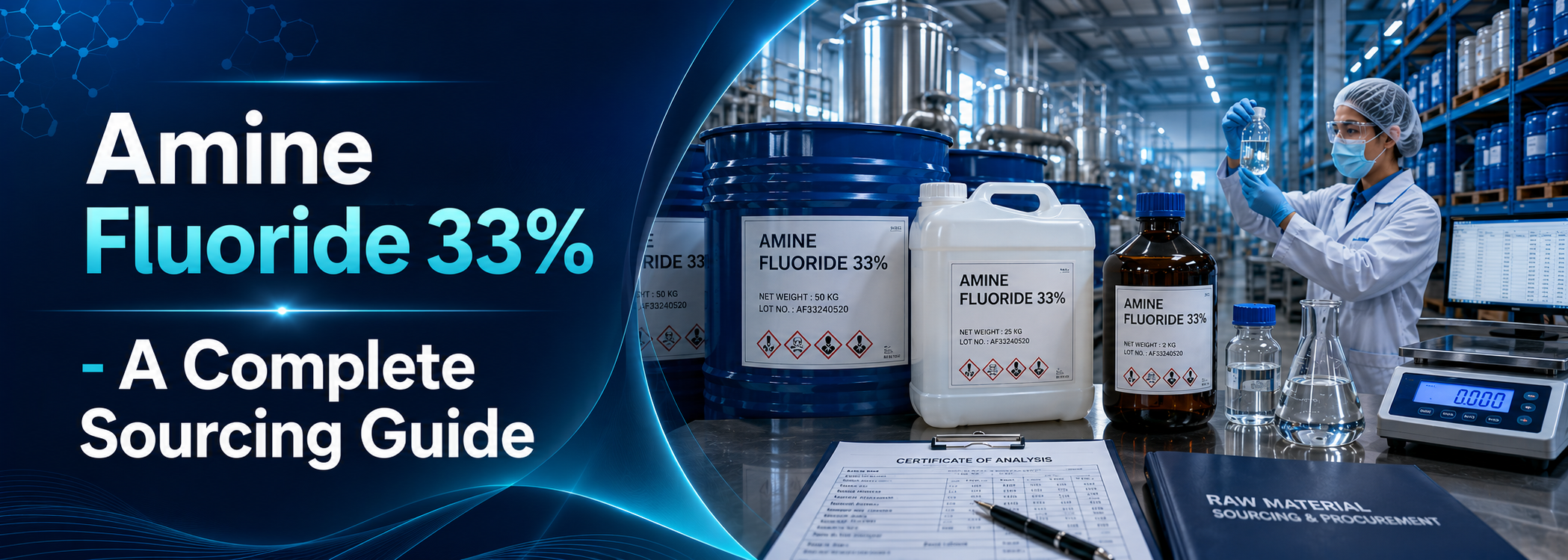
Amine Fluoride 33%: Sourcing Guide for This Pharma... ... Amine Fluoride 33%: Sourcing Guide for This Pharmaceutical Excipient Supplier Ingredient Read more
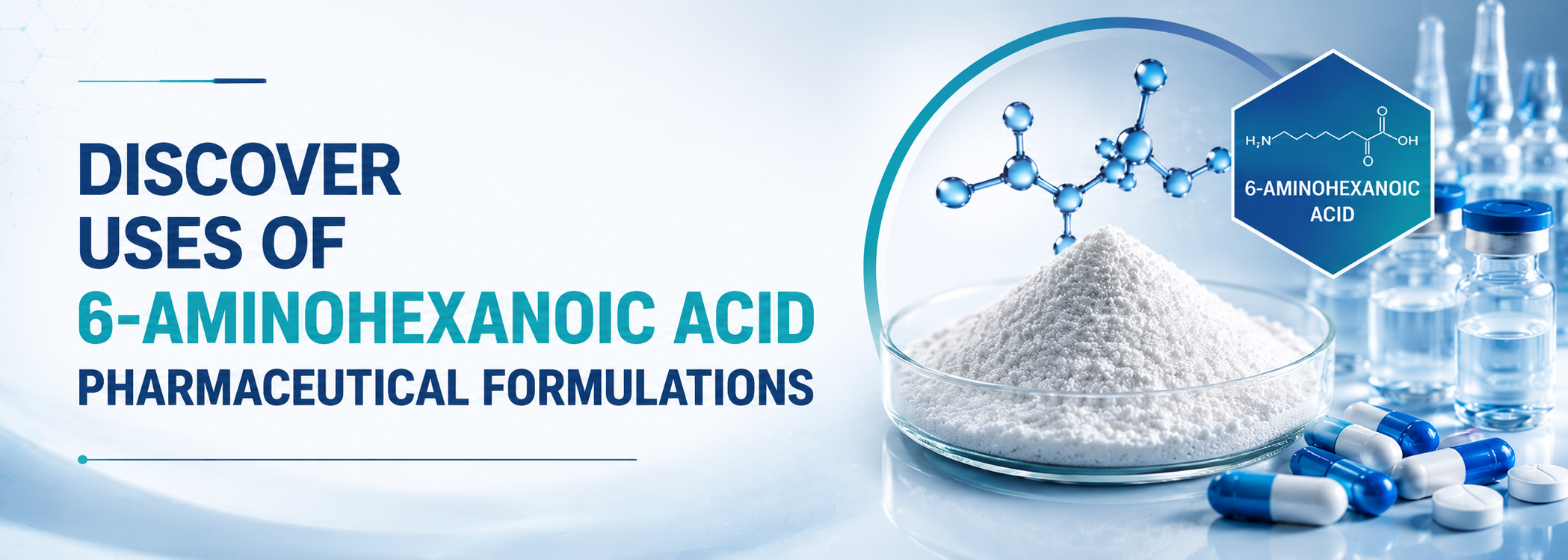
6-Aminohexanoic Acid: Uses in Pharmaceutical Formu... ... 6-Aminohexanoic Acid: Uses in Pharmaceutical Formulations Read more
How to Source Pharmacopoeial-Grade 6-Aminohexanoic... ... How to Source Pharmacopoeial-Grade 6-Aminohexanoic Acid Online in India Read more
6-Aminohexanoic Acid Specifications: What Buyers S... ... 6-Aminohexanoic Acid Specifications: What Buyers Should Check Before Purchase Read more
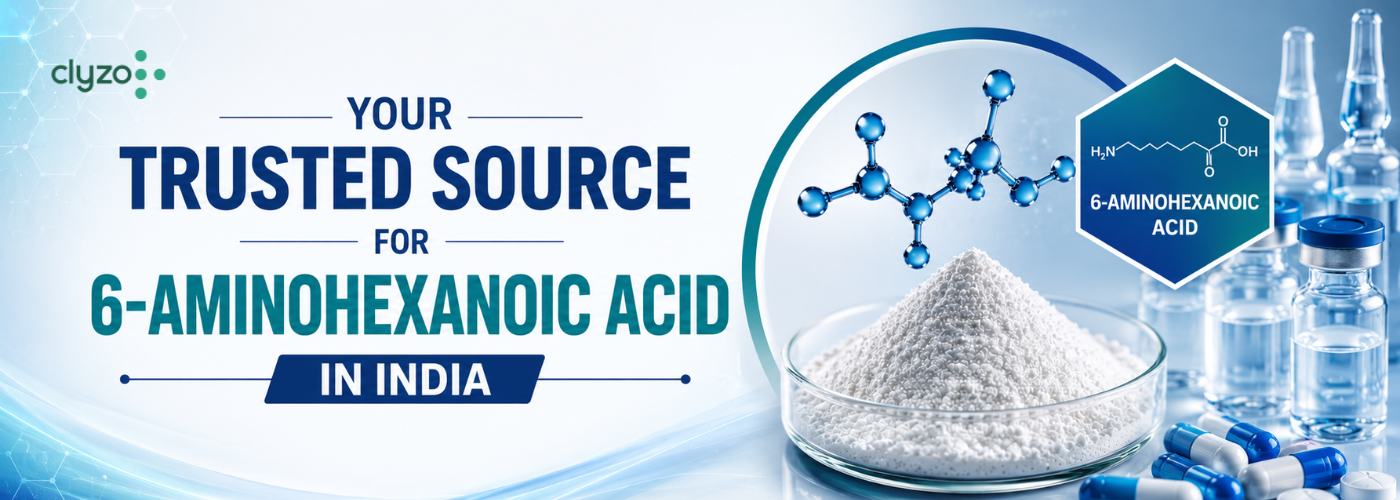
6-Aminohexanoic Acid Supplier in India: A Complete... ... 6-Aminohexanoic Acid Supplier in India: A Complete Sourcing Guide Read more
.png)
L-Arginine Hydrochloride Excipient Supplier in Ind... ... L-Arginine Hydrochloride Excipient Supplier in India Read more



.png)

.png)