Tech-driven pharma ingredients
Ingredient sourcing platform
Regulatory compliance platform
Specialized excipients developed to maintain stability, sterility, and compatibility in injectable formulations, ensuring safety and efficacy in every dose.
Comprehensive solutions supporting every stage of biologics development—formulated for purity, process efficiency, and superior therapeutic performance.
High-purity amino acid excipients engineered to enhance formulation stability, solubility, and bioavailability across a wide range of dosage forms.
Pharma-grade excipients designed with low endotoxin levels to support consistent quality and performance throughout vaccine formulation and production.
A trusted range of plasma-derived materials, Manufactured to meet global standards of purity and compliance.
Pharmaceutical-grade excipients that adhere to leading pharmacopeial monographs, ensuring regulatory readiness and uncompromised quality for global markets.
We collaborate with R&D labs on diverse product developments, transforming innovative ideas into ingredients that meet global quality and regulatory standards.
Expand your global reach with Clyzo’s advanced technology solutions. Maximize capacity utilization, streamline tech transfers, and bring new projects to market faster and more efficiently.
05-08-2026
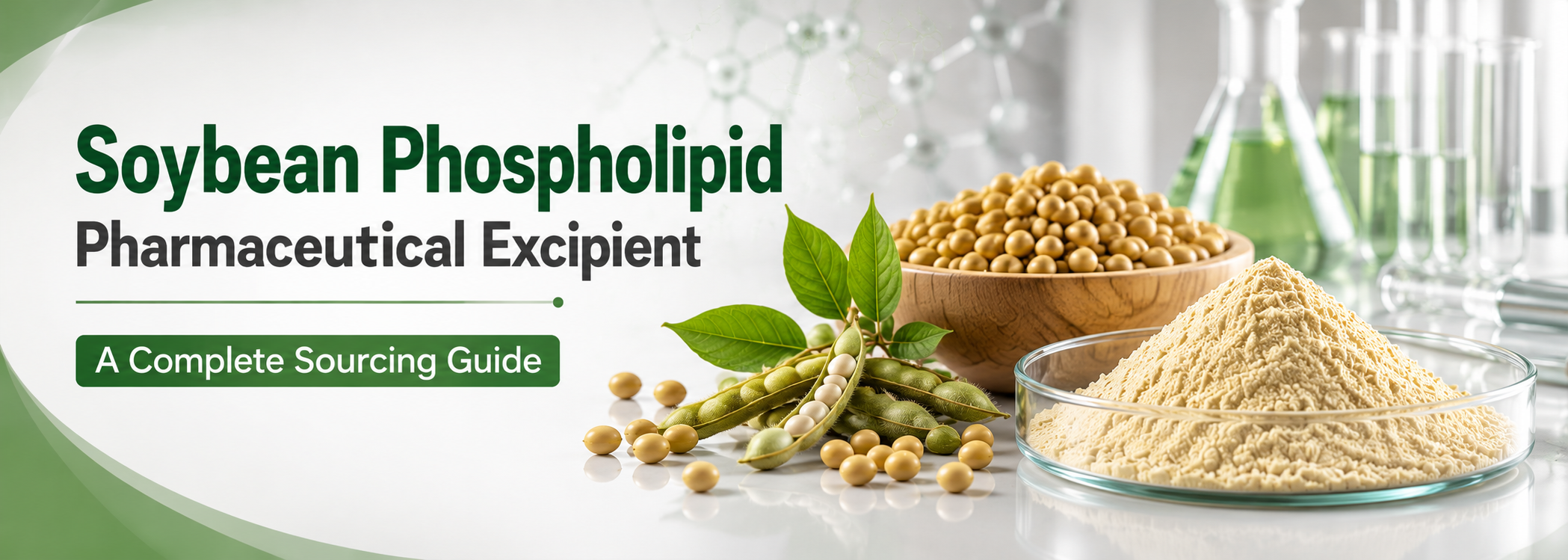
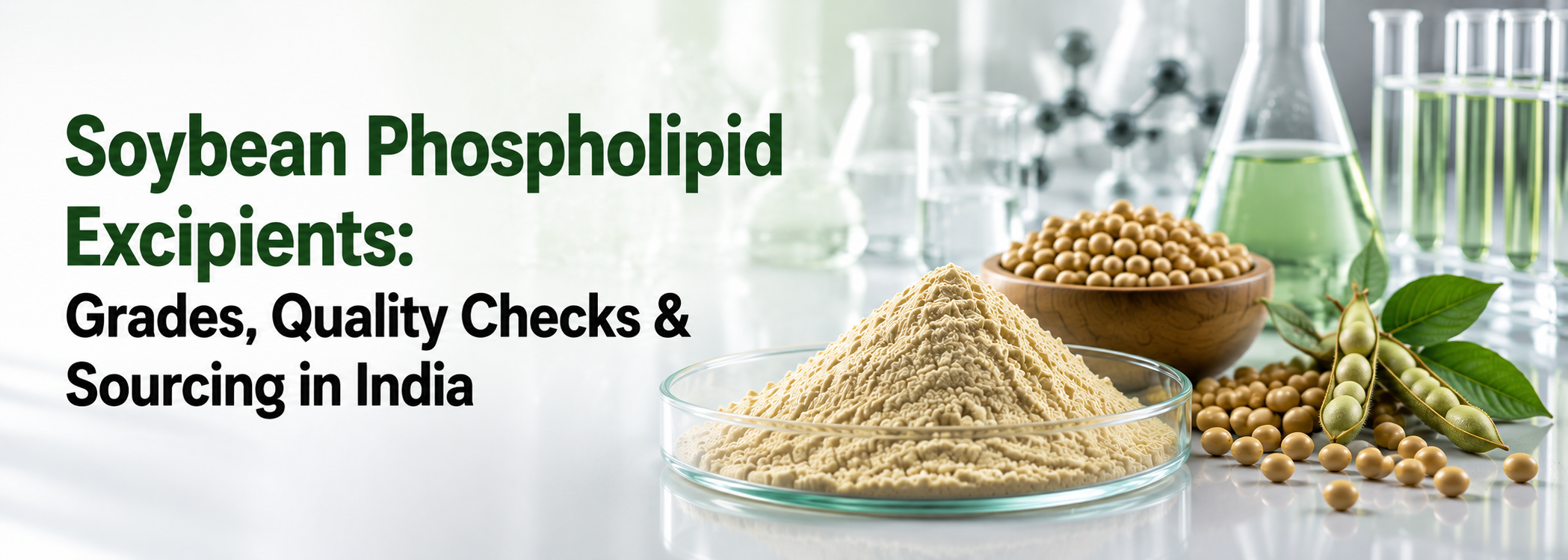
Soybean phospholipid, also known as soy lecithin or soy PC, is the most widely used natural phospholipid excipient in the global pharmaceutical industry. It functions as an emulsifier, solubilizer, wetting agent, and drug delivery carrier across oral, topical, and select parenteral formulations. Because soybean is produced at massive agricultural scale worldwide, soybean phospholipid excipients are also among the most cost effective and readily available lipid excipients on the market, which makes sourcing decisions especially important for Indian pharmaceutical manufacturers working at commercial volumes.
Soybean phospholipid begins as a byproduct of crude soybean oil refining. During the desliming step of oil processing, small amounts of water or steam are passed through the crude oil at elevated temperature, which separates out a viscous phospholipid rich fraction known as lecithin.
From there, manufacturers use solvent extraction and chromatographic purification to isolate specific phospholipid fractions, most importantly phosphatidylcholine, which is the dominant and most valuable component for pharmaceutical use. Depending on the intended application, the phospholipid may be left as a de-oiled lecithin, further purified into high PC content grades, or chemically modified through hydrogenation to produce a more saturated, hydrogenated soy phospholipid used in specific dermal and topical products.
The purification pathway a manufacturer chooses has a direct impact on the final product's PC content, fatty acid composition, and suitability for different dosage forms, which is why grade selection matters just as much as source selection.
Across the industry, soybean phospholipid products are typically labeled using a letter and number system that makes it easier to compare specifications across suppliers.
Understanding this naming convention allows formulators to quickly gauge whether a quoted product fits their application before digging into the full certificate of analysis.
Soybean phospholipid shows up across a broader range of dosage forms than almost any other natural excipient, which is part of why it remains the industry default in most product categories.
Oral formulations
Soybean phospholipid is the dominant phospholipid choice for oral drug products, where it functions as a solubilizer for poorly water soluble actives and supports better bioavailability in certain formulations.
Topical and dermal products
Both standard and hydrogenated soybean phospholipids are used in creams, lotions, sprays, foams, and gels, where they act as emulsifiers, wetting agents, and building blocks for colloidal structures, in addition to supporting skin barrier function in cosmetic applications.
Parenteral mixed micellar systems
In combination with cholate salts, soybean phospholipids form mixed micelle formulations used to solubilize poorly water soluble drug substances for injectable use. Soybean PC itself has also been studied in formulations targeting liver related conditions, owing to its polyunsaturated fatty acid content.
Inhalation products
Natural phospholipid extracts, including soybean derived material, are used in select inhalation formulations alongside synthetic phospholipid options.
Nutraceuticals and supplements
Beyond strict pharmaceutical use, soybean phospholipid is a common ingredient in nutraceutical products marketed for liver support and general lipid metabolism.
Not all soybean phospholipid excipients are created equal, and formulators should understand the main grade categories before sourcing.
Choosing the right grade depends on the dosage form, the administration route, and the stability requirements of the specific active ingredient being formulated.
Indian pharmaceutical manufacturers sourcing soybean phospholipid excipients should evaluate suppliers against a clear set of quality benchmarks.
One of the most practical reasons soybean phospholipid remains the industry default excipient is economics. Soybean is cultivated and processed at enormous global scale, which keeps raw material costs comparatively low relative to egg derived or synthetic phospholipid alternatives, though pricing still varies considerably by purity grade and pack size. Lower PC grades used in commodity applications sit at the affordable end of the lipid excipient market, while high purity, near 100 percent PC grades used in parenteral and liposomal work command a substantial premium, often priced closer to specialty excipient tiers.
India's supplier landscape includes both domestic cGMP manufacturers producing lecithin and phospholipid ranges for pharmaceutical, nutraceutical, and cosmetic use, as well as distributors representing established international phospholipid producers. For manufacturers producing high volume oral or topical products, working with a supplier who can offer flexible pack sizes and transparent grade specifications can meaningfully affect overall formulation economics without compromising on regulatory compliance or performance.
While soybean remains the dominant source, it is worth understanding how it compares to alternatives.
For pharmaceutical manufacturers in India seeking a dependable, well documented source of soybean phospholipid excipient, Clyzo offers a dedicated digital procurement platform covering thousands of pharmacopoeial excipients and raw materials. Based in Thane, Maharashtra, and backed by a group with a long standing presence in pharmaceutical raw material distribution, Clyzo allows formulators to search for phospholipid grades, request samples, review technical documentation, and place orders online rather than relying purely on manual, relationship driven procurement.
Given how much grade selection matters for soybean phospholipid specifically, having easy access to phosphatidylcholine content data, fatty acid profiles, and regulatory documentation upfront can help formulation teams shortlist the right material faster and avoid costly rework later in development.
1. What is soybean phospholipid used for in pharmaceuticals?
Soybean phospholipid is used as an emulsifier, solubilizer, and drug delivery carrier across oral, topical, and certain parenteral formulations, and it is the most widely used natural phospholipid excipient in the pharmaceutical industry.
2. Is soybean phospholipid the same as soy lecithin?
Soy lecithin is the broader crude extract obtained from soybean oil refining, while soybean phospholipid or soy PC typically refers to the more purified, phosphatidylcholine rich fraction used in pharmaceutical grade applications.
3. What do grade names like S75 or S100 mean?
The letter S indicates the phospholipid is soybean derived, and the number indicates the approximate phosphatidylcholine content. S75 refers to roughly 70 to 75 percent PC content suited to general oral and topical use, while S100 refers to near total PC purity used in high specification parenteral and liposomal applications.
4. What is hydrogenated soybean phospholipid used for?
Hydrogenated soybean phospholipid has improved oxidative stability due to increased saturation and is commonly used in topical and dermal formulations as well as certain solid dosage applications such as tablets and capsules.
5. How is phosphatidylcholine content measured in soybean phospholipid excipients?
Phosphatidylcholine content is typically determined through validated analytical methods such as TLC-FID or high performance liquid chromatography, and the result should be reported on the supplier's certificate of analysis for each batch.
6. Why does soybean phospholipid cost less than egg phospholipid?
Soybean is produced at massive agricultural scale worldwide, which keeps raw material and extraction costs lower compared to animal derived sources like egg yolk, which require different sourcing and processing logistics, though high purity soybean grades can still be priced at a premium.
7. Can soybean phospholipid be used in injectable formulations?
Yes, high purity soybean phospholipid grades are used in select parenteral applications, particularly in mixed micellar formulations combined with cholate salts to solubilize poorly water soluble drug substances.
8. What should I check before finalizing a soybean phospholipid supplier in India?
Confirm phosphatidylcholine content and grade classification, fatty acid composition, residual solvent limits, pharmacopoeial compliance, and the availability of full batch documentation before finalizing any supplier.
9. Are there supply risks associated with sourcing soybean phospholipid?
Since soybean is an agricultural commodity, pricing and availability can be affected by crop cycles and global supply conditions, so working with a supplier that maintains diversified sourcing and stable inventory helps reduce this risk.
Soybean phospholipid continues to serve as the backbone excipient across a huge share of oral, topical, and parenteral pharmaceutical formulations, largely due to its versatility, strong regulatory track record, and cost efficiency at scale. For Indian manufacturers, the real differentiator is not whether to use soybean phospholipid, but which grade, from S45 up to S100 and beyond, best fits the formulation, and which supplier can consistently deliver it with the documentation and quality control that regulated pharmaceutical production demands.
We’d love to hear from you. Please fill out this form.
Ethanol 99% Injectable Grade: USP, Ph.Eur., BP, JP... ... Ethanol 99% Injectable Grade: USP, Ph.Eur., BP, JP & GMP Guide | Clyzo Read more
Ethanol 96% Injectable Grade in India: USP, Ph.Eur... ... Ethanol 96% Injectable Grade in India: USP, Ph.Eur., BP, JP & GMP | Clyzo Read more
Pharma Grade Ethanol: A Complete Guide to Injectab... ... Pharma Grade Ethanol: A Complete Guide to Injectable, USP, Ph.Eur., BP and IPEC Grades Read more
Online Pharma Ingredient Sourcing: A Practical Gui... ... Online Pharma Ingredient Sourcing: A Practical Guide for Buyers Read more
Pharma Raw Material Supplier in India: How to Choo... ... Pharma Raw Material Supplier in India: How to Choose the Right One Read more
Digital Pharma Sourcing in India: How B2B Buyers A... ... Digital Pharma Sourcing in India: How B2B Buyers Are Changing the Way They Source Excipients Read more
.png)
PEG 400 (Polyethylene Glycol 400) Pharmaceutical S... ... PEG 400 (Polyethylene Glycol 400) Pharmaceutical Supplier in India: Complete Guide Read more
PEG 4000 (Polyethylene Glycol 4000) Pharmaceutical... ... PEG 4000 (Polyethylene Glycol 4000) Pharmaceutical Supplier in India: Complete Guide Read more
Chicken, Liver, and Meat Flavor Pharmaceutical Exc... ... Chicken, Liver, and Meat Flavor Pharmaceutical Excipients: The Backbone of Veterinary Medicine Compliance in India Read more
Polysorbate 80 Pharmaceutical Grade Supplier India... ... Polysorbate 80 Pharmaceutical Grade Supplier India: The Complete Sourcing Guide Read more
Polysorbate 80 Pharmaceutical Grade India: 10 Fact... ... Polysorbate 80 Pharmaceutical Grade India: 10 Facts Every Buyer Should Know Read more
PS 80 Excipient Supplier India: A 10 Point Buyer C... ... PS 80 Excipient Supplier India: A 10 Point Buyer Checklist Read more
Polysorbate 80 Injectable Grade Excipient: 10 Fact... ... Polysorbate 80 Injectable Grade Excipient: 10 Facts You Need to Know Read more
Polysorbate 80 USP NF Bulk Supplier: A 10 Point So... ... Polysorbate 80 USP NF Bulk Supplier: A 10 Point Sourcing Checklist Read more
Polysorbate 80 Pharmaceutical Grade India: What Bu... ... Polysorbate 80 Pharmaceutical Grade India: What Buyers Need to Know Read more
PS 80 Excipient Supplier India: How to Choose the ... ... PS 80 Excipient Supplier India: How to Choose the Right Partner Read more
Polysorbate 80 Injectable Grade Excipient: A Sourc... ... Polysorbate 80 Injectable Grade Excipient: A Sourcing Guide for Parenteral Formulations Read more
Polysorbate 80 USP NF Bulk Supplier: What to Know ... ... Polysorbate 80 USP NF Bulk Supplier: What to Know Before You Scale Up Read more
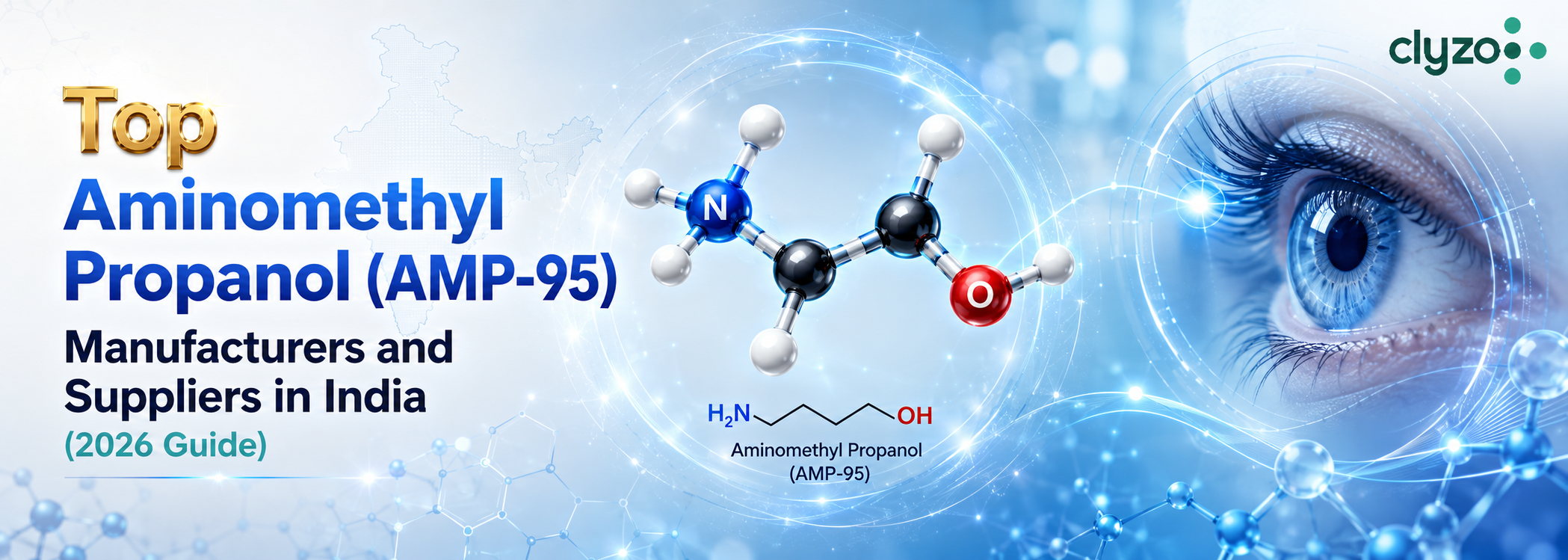
Top AMP-95 (Aminomethyl Propanol) Manufacturers an... ... Top AMP-95 (Aminomethyl Propanol) Manufacturers and Suppliers in India (2026 Guide) Read more
.jpg)
How AMP Works as a pH Buffer in Injectable, Ophtha... ... How AMP Works as a pH Buffer in Injectable, Ophthalmic, and Topical Formulations Read more
.jpg)
AMP vs Other Alkalizing Agents in Pharma Formulati... ... AMP vs Other Alkalizing Agents in Pharma Formulations: TRIS, Triethanolamine, and Sodium Hydroxide Compared Read more
AMP Excipient Safety: Toxicity, Irritation Potenti... ... AMP Excipient Safety: Toxicity, Irritation Potential, and Regulatory Status Read more
Chlorobutanol Preservative Safety: Toxicity Data, ... ... Chlorobutanol Preservative Safety: Toxicity Data, Regulatory Status, and Usage Limits Read more
Top Chlorobutanol Anhydrous Manufacturers and Supp... ... Top Chlorobutanol Anhydrous Manufacturers and Suppliers in India (2026 Guide) Read more
Chlorobutanol as a Preservative in Injectables, Ey... ... Chlorobutanol as a Preservative in Injectables, Eye Drops, and Nasal Sprays Read more
Chlorobutanol Anhydrous vs Hemihydrate: Which Grad... ... Chlorobutanol Anhydrous vs Hemihydrate: Which Grade Should You Choose? Read more
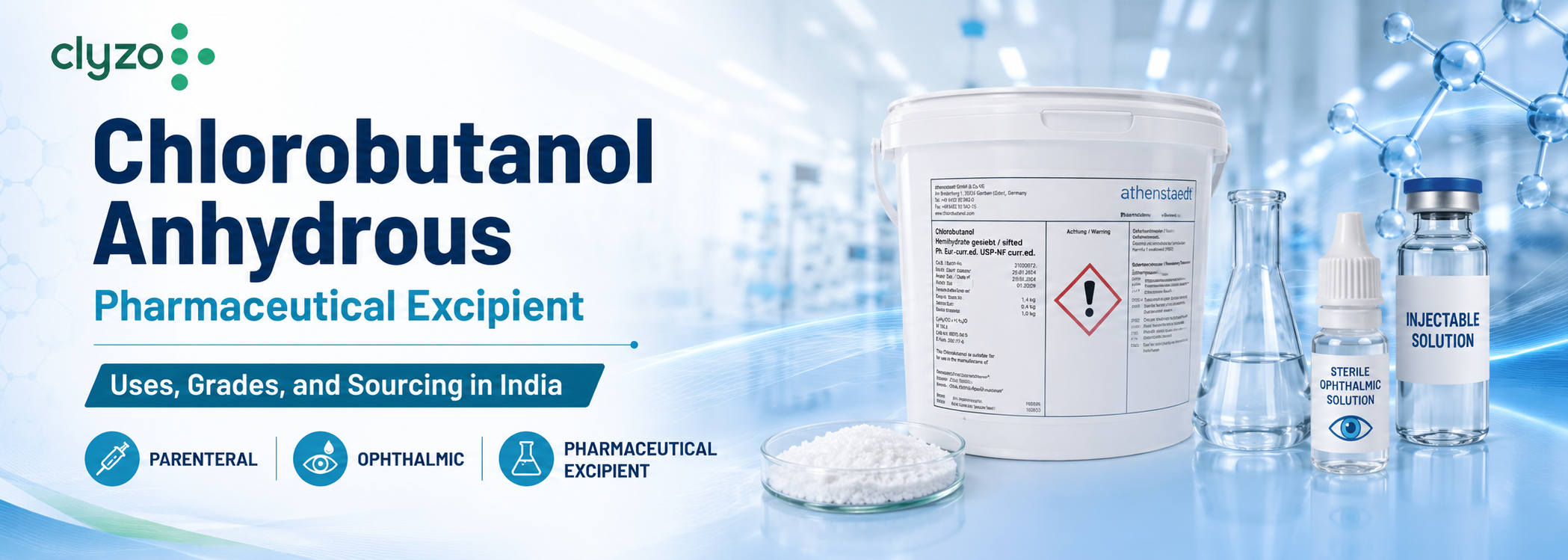
Chlorobutanol Anhydrous Pharmaceutical Excipient: ... ... Chlorobutanol Anhydrous Pharmaceutical Excipient: Uses, Grades, and Sourcing in India Read more
Benzyl Alcohol: A Pharmaceutical Excipient India S... ... Benzyl Alcohol: A Pharmaceutical Excipient India Supplier Guide for Preservative Sourcing Read more
Tyloxapol: A Specialized Pharmaceutical Excipient ... ... Tyloxapol: A Specialized Pharmaceutical Excipient Supplier in India Can Help You Source Correctly Read more
SLS (Sodium Lauryl Sulfate): A Complete Guide for ... ... SLS (Sodium Lauryl Sulfate): A Complete Guide for Pharma Excipient Buyers in India Read more
.jpg)
Polysorbate 80 (PS 80): The Pharmaceutical Excipie... ... Polysorbate 80 (PS 80): The Pharmaceutical Excipient Supplier India Trusts for Surfactant Applications Read more
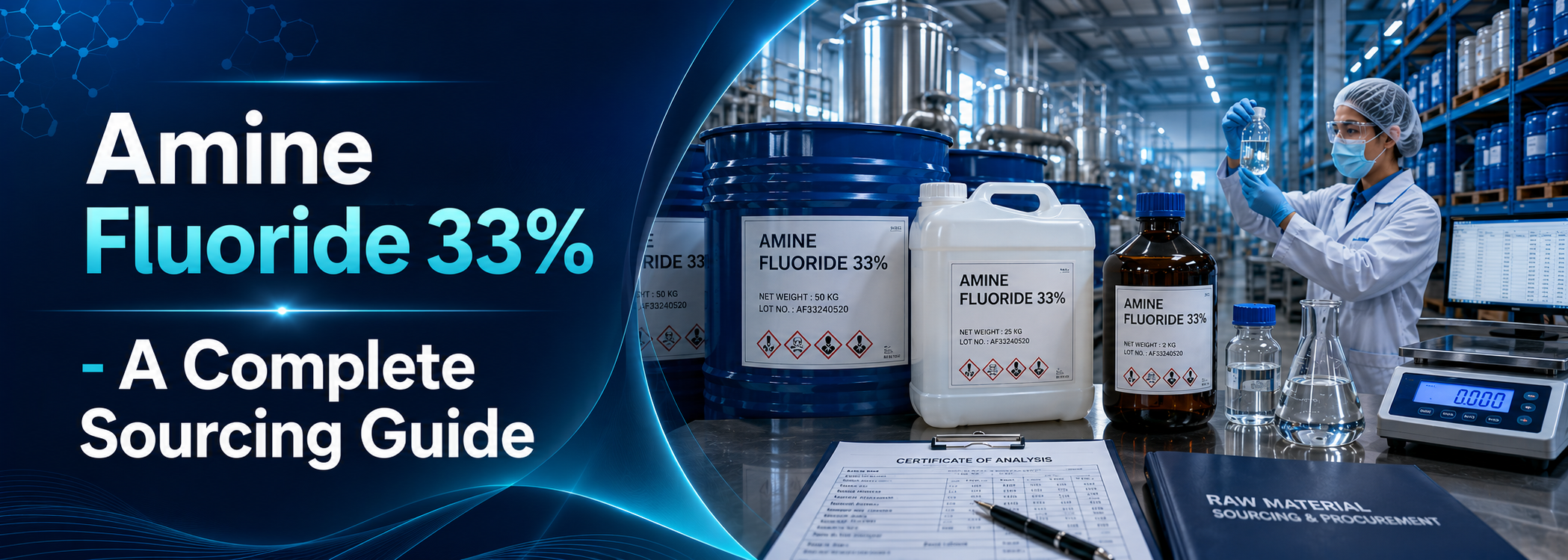
Amine Fluoride 33%: Sourcing Guide for This Pharma... ... Amine Fluoride 33%: Sourcing Guide for This Pharmaceutical Excipient Supplier Ingredient Read more
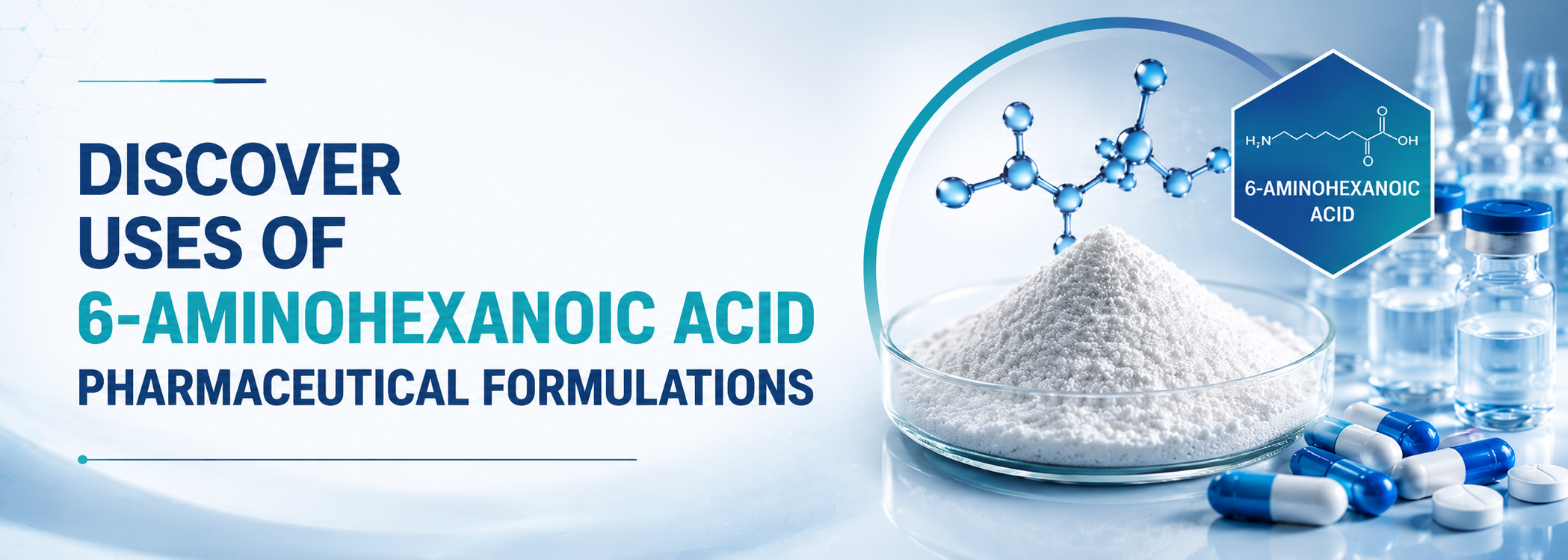
6-Aminohexanoic Acid: Uses in Pharmaceutical Formu... ... 6-Aminohexanoic Acid: Uses in Pharmaceutical Formulations Read more
How to Source Pharmacopoeial-Grade 6-Aminohexanoic... ... How to Source Pharmacopoeial-Grade 6-Aminohexanoic Acid Online in India Read more
6-Aminohexanoic Acid Specifications: What Buyers S... ... 6-Aminohexanoic Acid Specifications: What Buyers Should Check Before Purchase Read more
6-Aminohexanoic Acid Supplier in India: A Complete... ... 6-Aminohexanoic Acid Supplier in India: A Complete Sourcing Guide Read more
.png)
L-Arginine Hydrochloride Excipient Supplier in Ind... ... L-Arginine Hydrochloride Excipient Supplier in India Read more



.png)
.png)