Tech-driven pharma ingredients
Ingredient sourcing platform
Regulatory compliance platform
Specialized excipients developed to maintain stability, sterility, and compatibility in injectable formulations, ensuring safety and efficacy in every dose.
Comprehensive solutions supporting every stage of biologics development—formulated for purity, process efficiency, and superior therapeutic performance.
High-purity amino acid excipients engineered to enhance formulation stability, solubility, and bioavailability across a wide range of dosage forms.
Pharma-grade excipients designed with low endotoxin levels to support consistent quality and performance throughout vaccine formulation and production.
A trusted range of plasma-derived materials, Manufactured to meet global standards of purity and compliance.
Pharmaceutical-grade excipients that adhere to leading pharmacopeial monographs, ensuring regulatory readiness and uncompromised quality for global markets.
We collaborate with R&D labs on diverse product developments, transforming innovative ideas into ingredients that meet global quality and regulatory standards.
Expand your global reach with Clyzo’s advanced technology solutions. Maximize capacity utilization, streamline tech transfers, and bring new projects to market faster and more efficiently.
27-07-2026
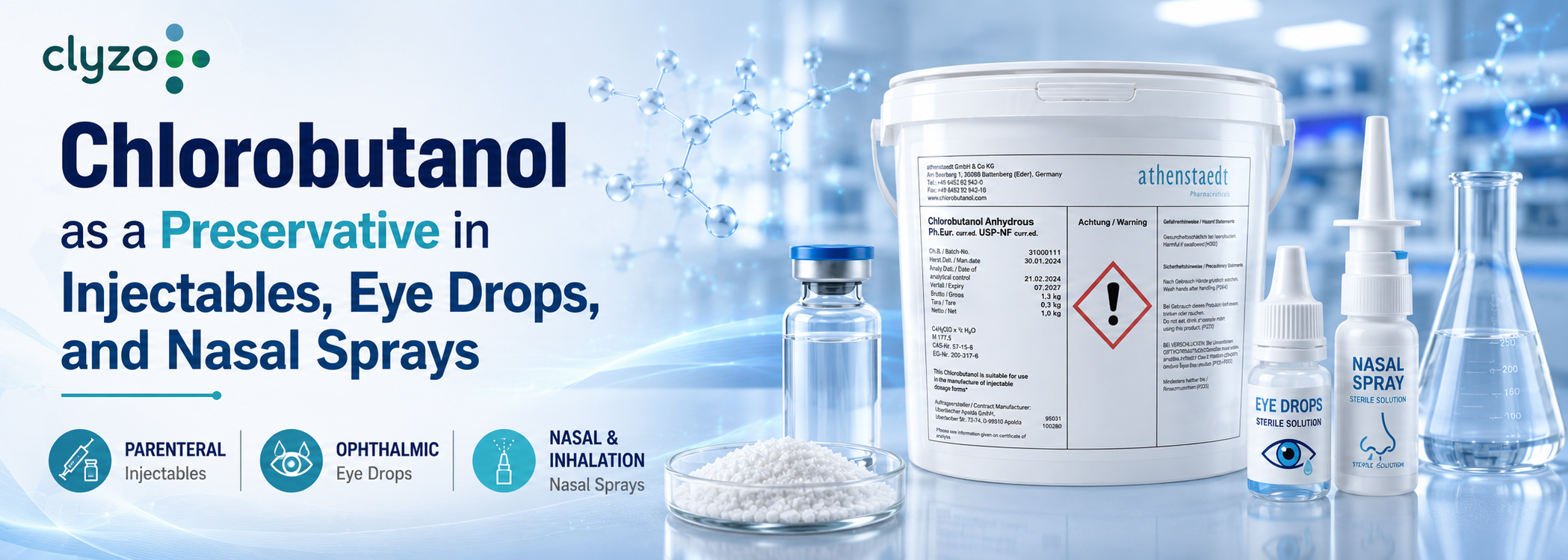
Multi-dose pharmaceutical products face a persistent formulation challenge: every time a vial, bottle, or spray is opened, there is an opportunity for microbial contamination. Antimicrobial preservatives exist to solve this problem, and chlorobutanol has been one of the most consistently used preservatives in this category for more than a century. This article looks at how chlorobutanol actually works, why it remains a preferred choice in specific dosage forms, and how it compares to some of the alternatives formulators consider.
Chlorobutanol's antimicrobial action comes from its ability to disrupt the lipid bilayer that makes up microbial cell membranes. As it penetrates the membrane structure, it increases membrane permeability, which ultimately leads to cell death. This mechanism gives it broad spectrum activity against both gram positive and gram negative bacteria, along with activity against certain fungi, without relying on the surfactant based mechanism that some other preservative classes use.
This mode of action is part of why chlorobutanol performs reliably across a range of dosage forms and formulation environments, since it does not depend on interacting with the formulation the way a surfactant preservative might.
In parenteral formulations, chlorobutanol is used as an antibacterial preservative at concentrations up to about 0.5 percent weight by volume. It has a long history of use in multi-dose injectable products, including certain epinephrine solutions and posterior pituitary extract formulations, where repeated needle access into the same vial creates ongoing contamination risk that a preservative needs to manage across the product's in use shelf life.
One formulation advantage frequently cited for chlorobutanol in this context is its comparatively low tendency to cause protein aggregation. In biologic and protein based injectable formulations, preservative induced aggregation is a real stability concern, and chlorobutanol has been shown to induce less aggregation than several commonly used alternatives, extending the practical shelf life of sensitive protein therapeutics.
Eye drops represent one of the largest and longest standing use cases for chlorobutanol. It is widely used in ophthalmic preparations, including formulations intended for conditions such as miosis. Despite some animal studies suggesting potential effects on ocular tissue at certain exposure levels, decades of widespread clinical use have been associated with a low incidence of adverse reactions in practice.
Comparative data has also shown that chlorobutanol supports meaningfully longer corneal epithelial cell survival compared to some alternative ophthalmic preservatives such as benzalkonium chloride, which is one reason it remains a formulation option even as newer preservative systems have entered the ophthalmic market.
Chlorobutanol is also used in nasal formulations, including intranasal calcitonin products, generally at concentrations between roughly 0.25 and 0.4 percent weight by weight. In this category, one advantage noted in formulation literature is that chlorobutanol tends to cause less nasal irritation compared to some alternative preservatives, such as benzalkonium chloride, which has in some cases been associated with aggravated rhinitis or allergic type reactions in sensitive patients.
Nasal formulations using chlorobutanol are also typically formulated at a controlled pH, often in the range of 3.5 to 5.5, since preservative activity and formulation stability are both influenced by pH, and maintaining an appropriate isotonicity is important to avoid irritating the nasal mucosa.
Beyond injectables, ophthalmics, and nasal sprays, chlorobutanol also appears in otic (ear) preparations and dental formulations such as mouthwashes. In dental applications, it offers a secondary benefit as a mild local anesthetic, in addition to its primary antimicrobial preservative function, which has supported its long term use in this category.
Formulators evaluating preservative options for protein based or biologic formulations sometimes reference a general ranking of protein aggregation potential across common preservatives, with chlorobutanol typically inducing less aggregation than m-cresol, phenol, benzyl alcohol, and phenoxyethanol. This makes it a relevant option specifically for formulations where protein stability is a primary formulation concern, in addition to its established track record in traditional small molecule injectable, ophthalmic, and nasal products.
That said, preservative selection always depends on the full formulation context, including the active ingredient, target route of administration, required antimicrobial efficacy testing outcomes, and regulatory expectations in the target market.
Since chlorobutanol performs a functional, safety critical role across these dosage forms, sourcing decisions should prioritize:
Sourcing platforms such as Clyzo that list chlorobutanol excipient with supplier specific documentation can help formulators compare options against these criteria before finalizing a supply source.
Why is chlorobutanol still used when newer preservatives are available?
It offers a well established safety and efficacy track record across injectable, ophthalmic, and nasal formulations, along with specific advantages such as lower protein aggregation potential and generally lower irritation in nasal applications compared to some alternatives.
Is chlorobutanol safe for long term use in eye drops?
It has a long history of use in ophthalmic products with a low reported rate of adverse reactions in practice, although formulation concentration and patient specific sensitivity should always be considered by the prescribing formulation's safety data.
What concentration of chlorobutanol is typically used as a preservative?
Most formulations use chlorobutanol at approximately 0.5 percent, with nasal formulations sometimes using a slightly lower range of about 0.25 to 0.4 percent.
Does chlorobutanol work well in biologic or protein based formulations?
Yes, it is often favored in this context because it tends to induce less protein aggregation than several other common preservatives, which helps maintain the stability of sensitive protein therapeutics over their shelf life.
Chlorobutanol's continued use across injectable, ophthalmic, nasal, and dental formulations reflects a genuinely favorable balance of broad spectrum antimicrobial activity, low irritation potential, and compatibility with sensitive formulations, including protein based biologics. For formulators evaluating preservative systems, chlorobutanol remains a proven option worth comparing directly against newer alternatives on a formulation specific basis.
We’d love to hear from you. Please fill out this form.
Ethanol 99% Injectable Grade: USP, Ph.Eur., BP, JP... ... Ethanol 99% Injectable Grade: USP, Ph.Eur., BP, JP & GMP Guide | Clyzo Read more
Ethanol 96% Injectable Grade in India: USP, Ph.Eur... ... Ethanol 96% Injectable Grade in India: USP, Ph.Eur., BP, JP & GMP | Clyzo Read more
Pharma Grade Ethanol: A Complete Guide to Injectab... ... Pharma Grade Ethanol: A Complete Guide to Injectable, USP, Ph.Eur., BP and IPEC Grades Read more
Online Pharma Ingredient Sourcing: A Practical Gui... ... Online Pharma Ingredient Sourcing: A Practical Guide for Buyers Read more
Pharma Raw Material Supplier in India: How to Choo... ... Pharma Raw Material Supplier in India: How to Choose the Right One Read more
Digital Pharma Sourcing in India: How B2B Buyers A... ... Digital Pharma Sourcing in India: How B2B Buyers Are Changing the Way They Source Excipients Read more
.png)
PEG 400 (Polyethylene Glycol 400) Pharmaceutical S... ... PEG 400 (Polyethylene Glycol 400) Pharmaceutical Supplier in India: Complete Guide Read more
PEG 4000 (Polyethylene Glycol 4000) Pharmaceutical... ... PEG 4000 (Polyethylene Glycol 4000) Pharmaceutical Supplier in India: Complete Guide Read more
Chicken, Liver, and Meat Flavor Pharmaceutical Exc... ... Chicken, Liver, and Meat Flavor Pharmaceutical Excipients: The Backbone of Veterinary Medicine Compliance in India Read more
Polysorbate 80 Pharmaceutical Grade Supplier India... ... Polysorbate 80 Pharmaceutical Grade Supplier India: The Complete Sourcing Guide Read more
Polysorbate 80 Pharmaceutical Grade India: 10 Fact... ... Polysorbate 80 Pharmaceutical Grade India: 10 Facts Every Buyer Should Know Read more
PS 80 Excipient Supplier India: A 10 Point Buyer C... ... PS 80 Excipient Supplier India: A 10 Point Buyer Checklist Read more
Polysorbate 80 Injectable Grade Excipient: 10 Fact... ... Polysorbate 80 Injectable Grade Excipient: 10 Facts You Need to Know Read more
Polysorbate 80 USP NF Bulk Supplier: A 10 Point So... ... Polysorbate 80 USP NF Bulk Supplier: A 10 Point Sourcing Checklist Read more
Polysorbate 80 Pharmaceutical Grade India: What Bu... ... Polysorbate 80 Pharmaceutical Grade India: What Buyers Need to Know Read more
PS 80 Excipient Supplier India: How to Choose the ... ... PS 80 Excipient Supplier India: How to Choose the Right Partner Read more
Polysorbate 80 Injectable Grade Excipient: A Sourc... ... Polysorbate 80 Injectable Grade Excipient: A Sourcing Guide for Parenteral Formulations Read more
Polysorbate 80 USP NF Bulk Supplier: What to Know ... ... Polysorbate 80 USP NF Bulk Supplier: What to Know Before You Scale Up Read more
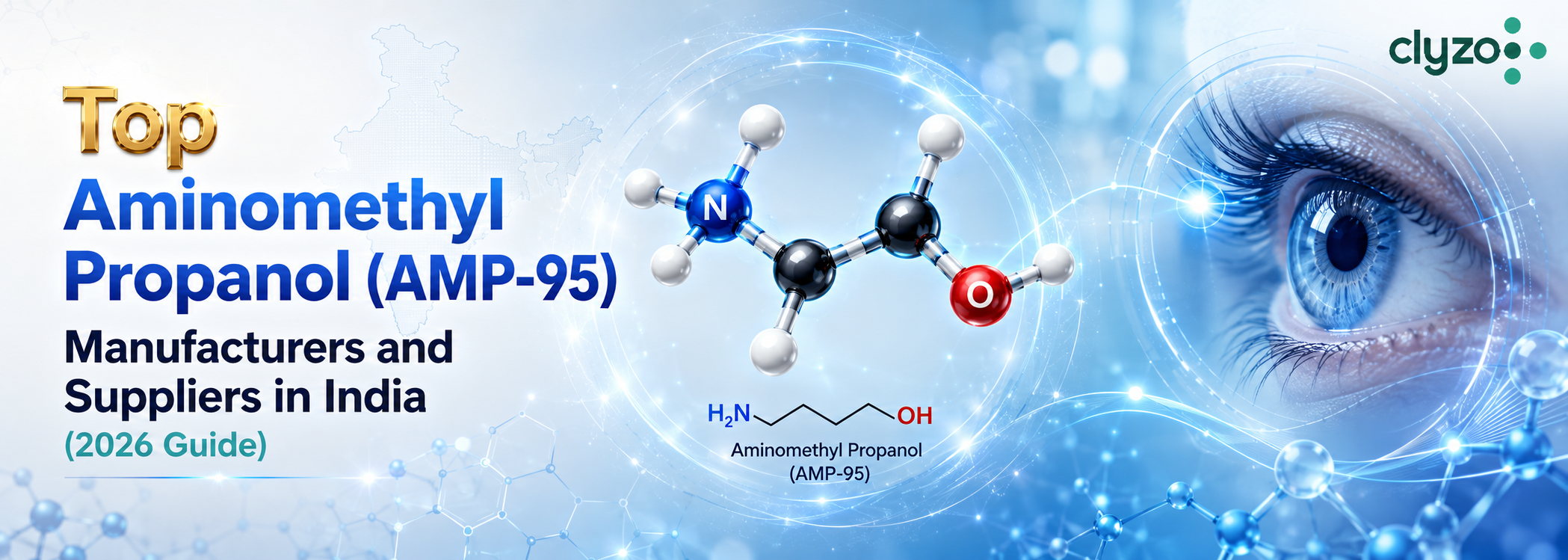
Top AMP-95 (Aminomethyl Propanol) Manufacturers an... ... Top AMP-95 (Aminomethyl Propanol) Manufacturers and Suppliers in India (2026 Guide) Read more
.jpg)
How AMP Works as a pH Buffer in Injectable, Ophtha... ... How AMP Works as a pH Buffer in Injectable, Ophthalmic, and Topical Formulations Read more
.jpg)
AMP vs Other Alkalizing Agents in Pharma Formulati... ... AMP vs Other Alkalizing Agents in Pharma Formulations: TRIS, Triethanolamine, and Sodium Hydroxide Compared Read more
AMP Excipient Safety: Toxicity, Irritation Potenti... ... AMP Excipient Safety: Toxicity, Irritation Potential, and Regulatory Status Read more
Chlorobutanol Preservative Safety: Toxicity Data, ... ... Chlorobutanol Preservative Safety: Toxicity Data, Regulatory Status, and Usage Limits Read more
Top Chlorobutanol Anhydrous Manufacturers and Supp... ... Top Chlorobutanol Anhydrous Manufacturers and Suppliers in India (2026 Guide) Read more
Chlorobutanol Anhydrous vs Hemihydrate: Which Grad... ... Chlorobutanol Anhydrous vs Hemihydrate: Which Grade Should You Choose? Read more
Chlorobutanol Anhydrous Pharmaceutical Excipient: ... ... Chlorobutanol Anhydrous Pharmaceutical Excipient: Uses, Grades, and Sourcing in India Read more
Benzyl Alcohol: A Pharmaceutical Excipient India S... ... Benzyl Alcohol: A Pharmaceutical Excipient India Supplier Guide for Preservative Sourcing Read more
Tyloxapol: A Specialized Pharmaceutical Excipient ... ... Tyloxapol: A Specialized Pharmaceutical Excipient Supplier in India Can Help You Source Correctly Read more
SLS (Sodium Lauryl Sulfate): A Complete Guide for ... ... SLS (Sodium Lauryl Sulfate): A Complete Guide for Pharma Excipient Buyers in India Read more
.jpg)
Polysorbate 80 (PS 80): The Pharmaceutical Excipie... ... Polysorbate 80 (PS 80): The Pharmaceutical Excipient Supplier India Trusts for Surfactant Applications Read more
Amine Fluoride 33%: Sourcing Guide for This Pharma... ... Amine Fluoride 33%: Sourcing Guide for This Pharmaceutical Excipient Supplier Ingredient Read more
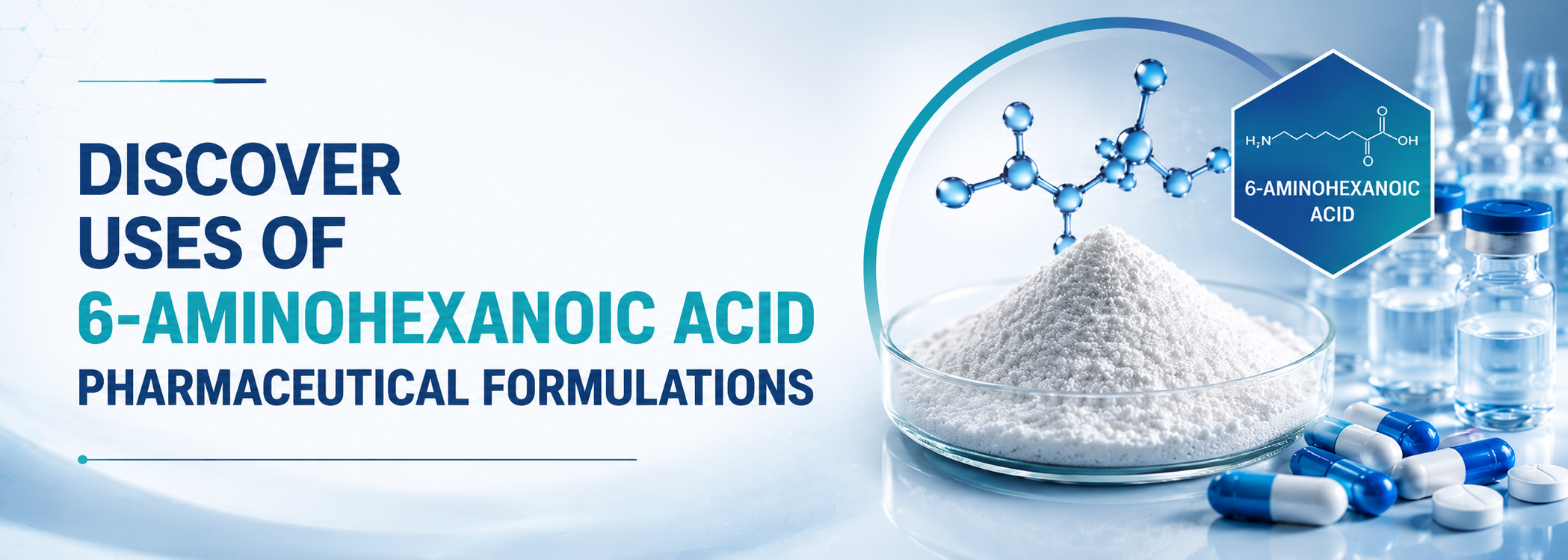
6-Aminohexanoic Acid: Uses in Pharmaceutical Formu... ... 6-Aminohexanoic Acid: Uses in Pharmaceutical Formulations Read more
How to Source Pharmacopoeial-Grade 6-Aminohexanoic... ... How to Source Pharmacopoeial-Grade 6-Aminohexanoic Acid Online in India Read more
6-Aminohexanoic Acid Specifications: What Buyers S... ... 6-Aminohexanoic Acid Specifications: What Buyers Should Check Before Purchase Read more
6-Aminohexanoic Acid Supplier in India: A Complete... ... 6-Aminohexanoic Acid Supplier in India: A Complete Sourcing Guide Read more
.png)
L-Arginine Hydrochloride Excipient Supplier in Ind... ... L-Arginine Hydrochloride Excipient Supplier in India Read more



.png)

.png)