Tech-driven pharma ingredients
Ingredient sourcing platform
Regulatory compliance platform
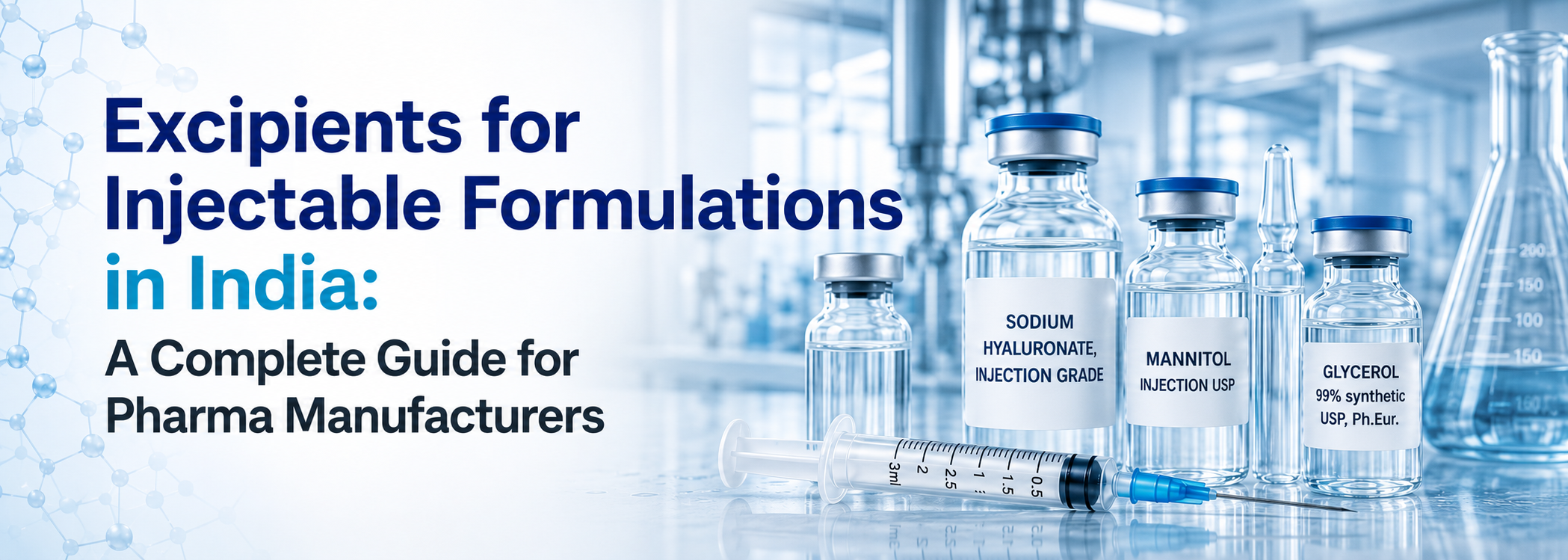
Specialized excipients developed to maintain stability, sterility, and compatibility in injectable formulations, ensuring safety and efficacy in every dose.
Comprehensive solutions supporting every stage of biologics development—formulated for purity, process efficiency, and superior therapeutic performance.
High-purity amino acid excipients engineered to enhance formulation stability, solubility, and bioavailability across a wide range of dosage forms.
Pharma-grade excipients designed with low endotoxin levels to support consistent quality and performance throughout vaccine formulation and production.
A trusted range of plasma-derived materials, Manufactured to meet global standards of purity and compliance.
Pharmaceutical-grade excipients that adhere to leading pharmacopeial monographs, ensuring regulatory readiness and uncompromised quality for global markets.
We collaborate with R&D labs on diverse product developments, transforming innovative ideas into ingredients that meet global quality and regulatory standards.
Expand your global reach with Clyzo’s advanced technology solutions. Maximize capacity utilization, streamline tech transfers, and bring new projects to market faster and more efficiently.
27-07-2026
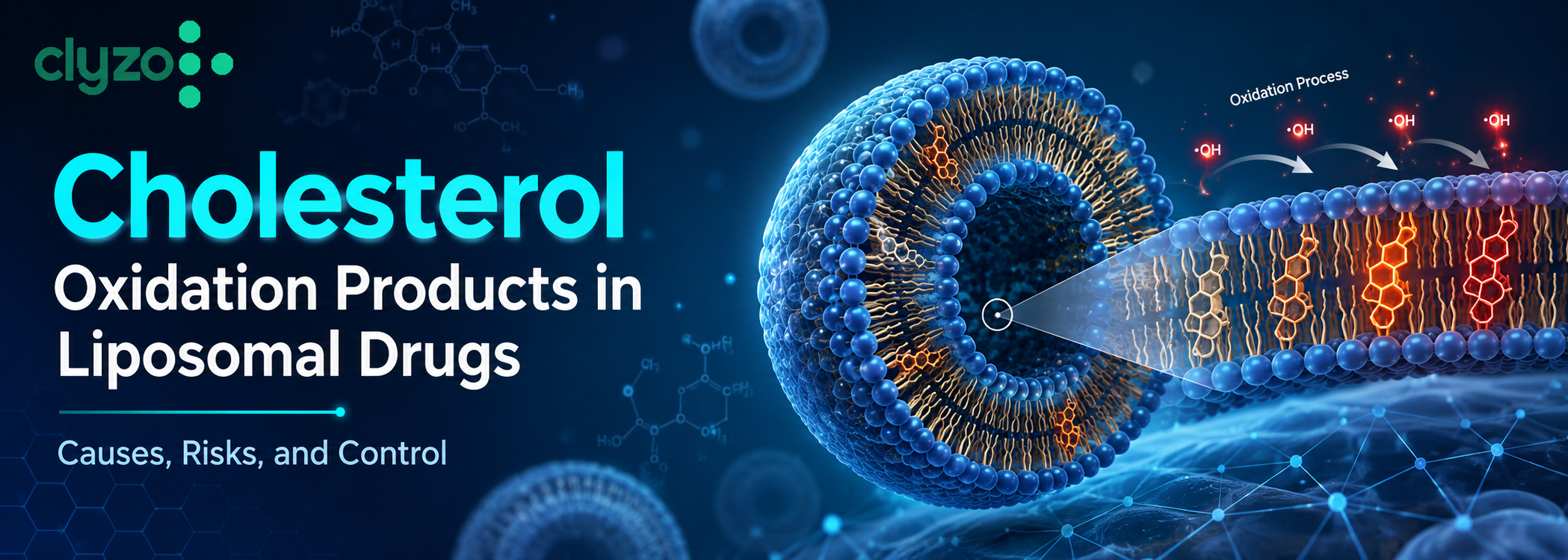
Cholesterol is one of the most important structural excipients in liposomal drug formulation, but it comes with a well known weakness. It oxidizes. When cholesterol is exposed to air, heat, light, or trace metal contaminants over time, it degrades into a family of compounds known as cholesterol oxidation products, commonly shortened to COPs. For a raw material used inside injectable and inhaled drug products, this is not a minor cosmetic issue. It is a critical quality attribute that regulators, formulators, and excipient suppliers are all watching closely.
This article explains what COPs are, why they form, what risks they pose in liposomal formulations, and how manufacturers control them through sourcing, testing, and storage practices.
Cholesterol has a chemically reactive double bond in its ring structure. Under oxidative stress, this bond and nearby carbon positions can react with oxygen to form a range of oxysterols, including 7-ketocholesterol, 7-alpha and 7-beta hydroxycholesterol, and cholesterol-5,6-epoxide, among others. These are collectively referred to as COPs.
Unlike the parent cholesterol molecule, which has a long history of safe use in approved liposomal drug products, some of these oxidation products have been studied for biological activity that includes cytotoxic and pro-inflammatory effects in laboratory settings. This is why regulatory guidance treats COP control as a distinct quality requirement, separate from simply confirming cholesterol assay and identity.
Several factors accelerate cholesterol oxidation, and most of them are common conditions in a normal pharmaceutical supply chain if not properly controlled:
Because liposomal drug manufacturing often involves organic solvents, elevated temperatures, and multiple processing steps, cholesterol is exposed to more oxidative risk in a liposome production line than it would be sitting in a sealed container.
The FDA's guidance on liposome drug products specifically calls out lipid excipients as critical material attributes requiring tight control, and this extends to their degradation products. A liposomal formulation is expected to demonstrate that its cholesterol component, and the finished product as a whole, stays within acceptable COP limits across the shelf life of the drug, not just at the point of manufacture.
This matters for three reasons:
Controlling COPs in a liposomal drug product involves choices at every stage of the supply chain, not a single testing checkpoint.
At the excipient sourcing stage:
At the storage stage:
At the manufacturing stage:
At the analytical stage:
When evaluating a supplier such as Clyzo for pharmaceutical grade cholesterol intended for liposomal formulations, it is worth asking directly:
A supplier that can answer these questions with documented data is generally a stronger long term partner than one offering only a basic assay certificate.
What causes cholesterol to oxidize in pharmaceutical formulations?
Exposure to heat, light, oxygen, and trace metal contaminants during manufacturing, storage, or transport are the main drivers of cholesterol oxidation into COPs.
Are cholesterol oxidation products dangerous in liposomal drugs?
Some oxysterols have shown cytotoxic or pro-inflammatory activity in research settings, which is why regulatory guidance requires manufacturers to control and monitor COP levels rather than assume they are automatically safe at any concentration.
How are COPs detected in cholesterol raw material?
Validated HPLC or GC based analytical methods capable of separating individual oxysterols are used, since a standard cholesterol assay does not distinguish intact cholesterol from its oxidation products.
Can COP formation be completely prevented?
Not entirely, since some oxidation is expected over time, but it can be minimized through proper sourcing, light and oxygen protected storage, controlled processing conditions, and routine testing throughout the product shelf life.
Cholesterol oxidation products are one of the less visible but more consequential quality risks in liposomal drug manufacturing. Because cholesterol becomes a permanent part of the finished drug product, controlling its oxidative stability from raw material sourcing through to shelf life testing is essential for both regulatory compliance and patient safety. Formulators working with liposomal platforms should treat COP control as a core part of their excipient qualification process, not an afterthought handled only during final release testing.
We’d love to hear from you. Please fill out this form.
Ethanol 99% Injectable Grade: USP, Ph.Eur., BP, JP... ... Ethanol 99% Injectable Grade: USP, Ph.Eur., BP, JP & GMP Guide | Clyzo Read more
Ethanol 96% Injectable Grade in India: USP, Ph.Eur... ... Ethanol 96% Injectable Grade in India: USP, Ph.Eur., BP, JP & GMP | Clyzo Read more
Pharma Grade Ethanol: A Complete Guide to Injectab... ... Pharma Grade Ethanol: A Complete Guide to Injectable, USP, Ph.Eur., BP and IPEC Grades Read more
Online Pharma Ingredient Sourcing: A Practical Gui... ... Online Pharma Ingredient Sourcing: A Practical Guide for Buyers Read more
Pharma Raw Material Supplier in India: How to Choo... ... Pharma Raw Material Supplier in India: How to Choose the Right One Read more
Digital Pharma Sourcing in India: How B2B Buyers A... ... Digital Pharma Sourcing in India: How B2B Buyers Are Changing the Way They Source Excipients Read more
.png)
PEG 400 (Polyethylene Glycol 400) Pharmaceutical S... ... PEG 400 (Polyethylene Glycol 400) Pharmaceutical Supplier in India: Complete Guide Read more
PEG 4000 (Polyethylene Glycol 4000) Pharmaceutical... ... PEG 4000 (Polyethylene Glycol 4000) Pharmaceutical Supplier in India: Complete Guide Read more
Chicken, Liver, and Meat Flavor Pharmaceutical Exc... ... Chicken, Liver, and Meat Flavor Pharmaceutical Excipients: The Backbone of Veterinary Medicine Compliance in India Read more
Polysorbate 80 Pharmaceutical Grade Supplier India... ... Polysorbate 80 Pharmaceutical Grade Supplier India: The Complete Sourcing Guide Read more
Polysorbate 80 Pharmaceutical Grade India: 10 Fact... ... Polysorbate 80 Pharmaceutical Grade India: 10 Facts Every Buyer Should Know Read more
PS 80 Excipient Supplier India: A 10 Point Buyer C... ... PS 80 Excipient Supplier India: A 10 Point Buyer Checklist Read more
Polysorbate 80 Injectable Grade Excipient: 10 Fact... ... Polysorbate 80 Injectable Grade Excipient: 10 Facts You Need to Know Read more
Polysorbate 80 USP NF Bulk Supplier: A 10 Point So... ... Polysorbate 80 USP NF Bulk Supplier: A 10 Point Sourcing Checklist Read more
Polysorbate 80 Pharmaceutical Grade India: What Bu... ... Polysorbate 80 Pharmaceutical Grade India: What Buyers Need to Know Read more
PS 80 Excipient Supplier India: How to Choose the ... ... PS 80 Excipient Supplier India: How to Choose the Right Partner Read more
Polysorbate 80 Injectable Grade Excipient: A Sourc... ... Polysorbate 80 Injectable Grade Excipient: A Sourcing Guide for Parenteral Formulations Read more
Polysorbate 80 USP NF Bulk Supplier: What to Know ... ... Polysorbate 80 USP NF Bulk Supplier: What to Know Before You Scale Up Read more
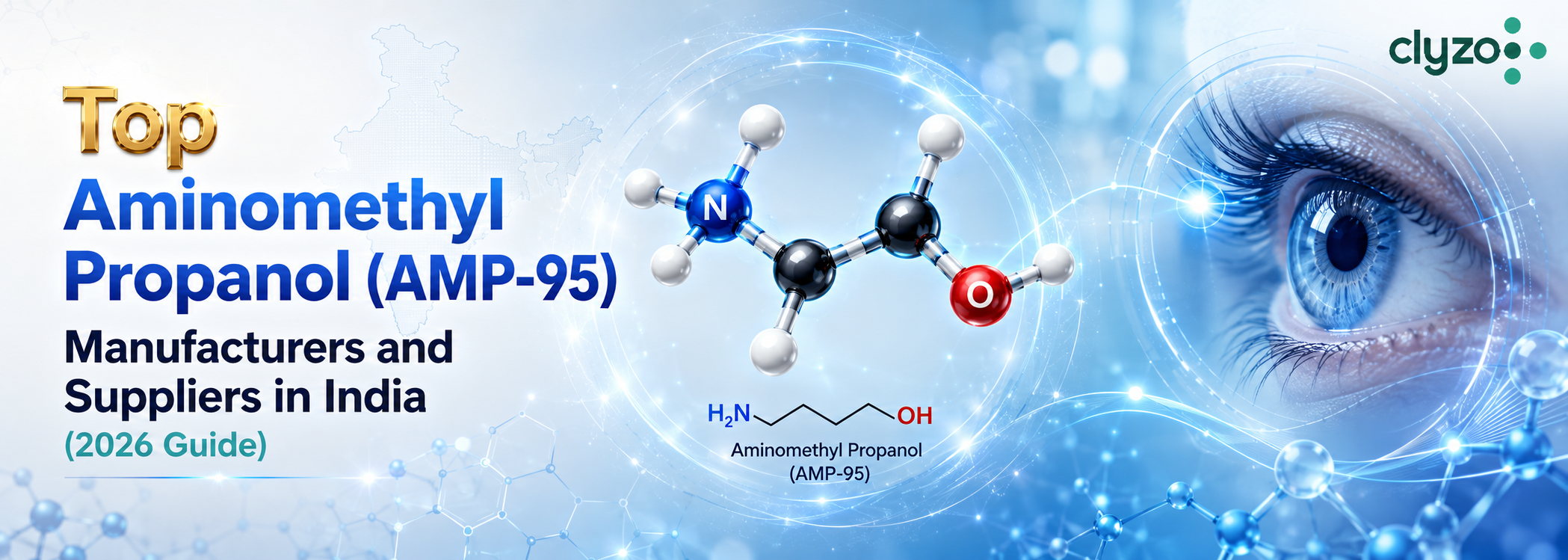
Top AMP-95 (Aminomethyl Propanol) Manufacturers an... ... Top AMP-95 (Aminomethyl Propanol) Manufacturers and Suppliers in India (2026 Guide) Read more
.jpg)
How AMP Works as a pH Buffer in Injectable, Ophtha... ... How AMP Works as a pH Buffer in Injectable, Ophthalmic, and Topical Formulations Read more
.jpg)
AMP vs Other Alkalizing Agents in Pharma Formulati... ... AMP vs Other Alkalizing Agents in Pharma Formulations: TRIS, Triethanolamine, and Sodium Hydroxide Compared Read more
AMP Excipient Safety: Toxicity, Irritation Potenti... ... AMP Excipient Safety: Toxicity, Irritation Potential, and Regulatory Status Read more
Chlorobutanol Preservative Safety: Toxicity Data, ... ... Chlorobutanol Preservative Safety: Toxicity Data, Regulatory Status, and Usage Limits Read more
Top Chlorobutanol Anhydrous Manufacturers and Supp... ... Top Chlorobutanol Anhydrous Manufacturers and Suppliers in India (2026 Guide) Read more
Chlorobutanol as a Preservative in Injectables, Ey... ... Chlorobutanol as a Preservative in Injectables, Eye Drops, and Nasal Sprays Read more
Chlorobutanol Anhydrous vs Hemihydrate: Which Grad... ... Chlorobutanol Anhydrous vs Hemihydrate: Which Grade Should You Choose? Read more
Chlorobutanol Anhydrous Pharmaceutical Excipient: ... ... Chlorobutanol Anhydrous Pharmaceutical Excipient: Uses, Grades, and Sourcing in India Read more
Benzyl Alcohol: A Pharmaceutical Excipient India S... ... Benzyl Alcohol: A Pharmaceutical Excipient India Supplier Guide for Preservative Sourcing Read more
Tyloxapol: A Specialized Pharmaceutical Excipient ... ... Tyloxapol: A Specialized Pharmaceutical Excipient Supplier in India Can Help You Source Correctly Read more
SLS (Sodium Lauryl Sulfate): A Complete Guide for ... ... SLS (Sodium Lauryl Sulfate): A Complete Guide for Pharma Excipient Buyers in India Read more
.jpg)
Polysorbate 80 (PS 80): The Pharmaceutical Excipie... ... Polysorbate 80 (PS 80): The Pharmaceutical Excipient Supplier India Trusts for Surfactant Applications Read more
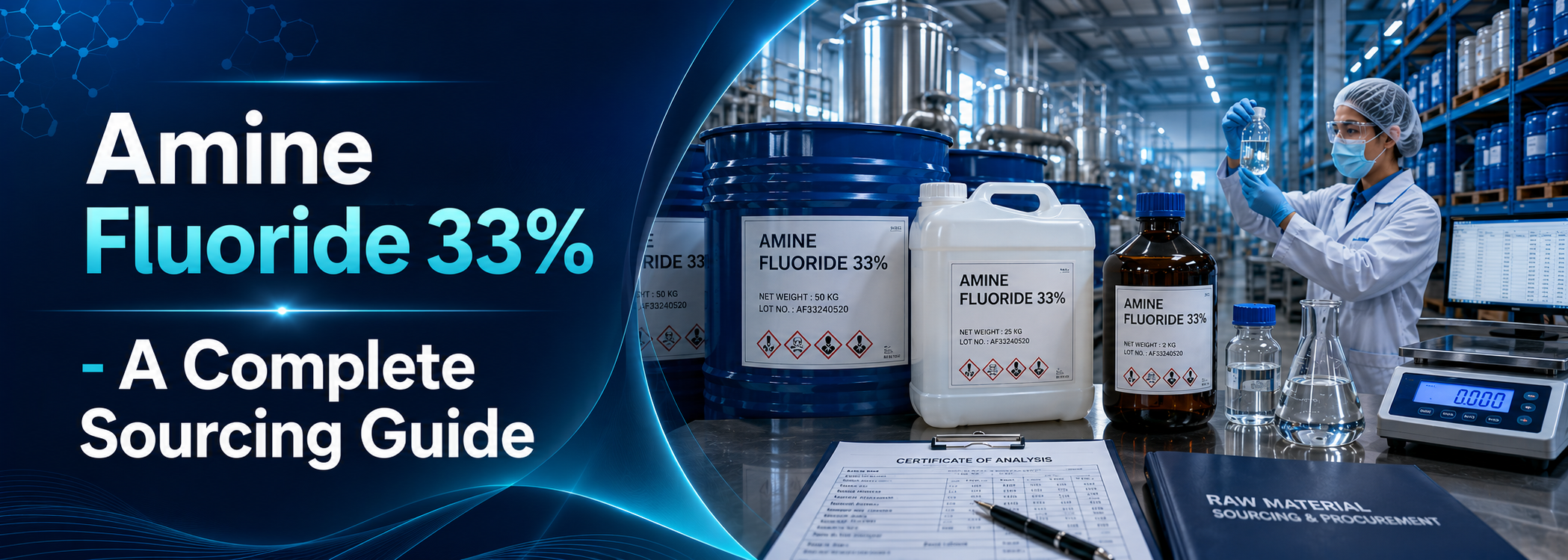
Amine Fluoride 33%: Sourcing Guide for This Pharma... ... Amine Fluoride 33%: Sourcing Guide for This Pharmaceutical Excipient Supplier Ingredient Read more
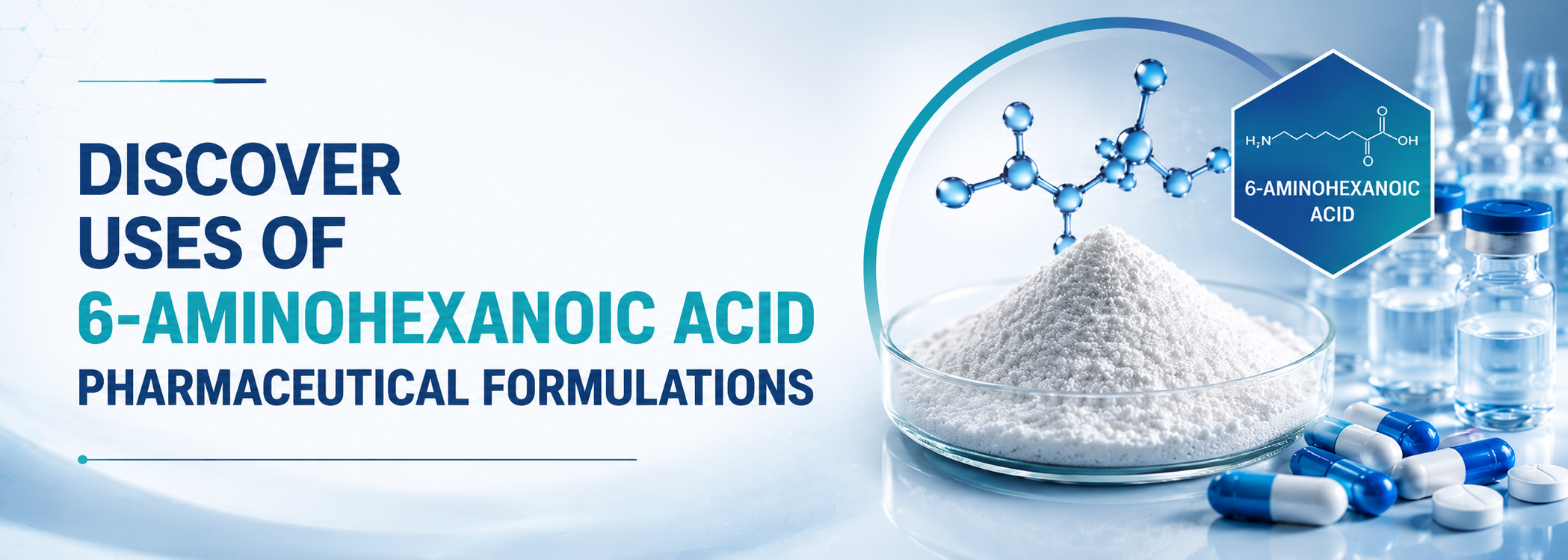
6-Aminohexanoic Acid: Uses in Pharmaceutical Formu... ... 6-Aminohexanoic Acid: Uses in Pharmaceutical Formulations Read more
How to Source Pharmacopoeial-Grade 6-Aminohexanoic... ... How to Source Pharmacopoeial-Grade 6-Aminohexanoic Acid Online in India Read more
6-Aminohexanoic Acid Specifications: What Buyers S... ... 6-Aminohexanoic Acid Specifications: What Buyers Should Check Before Purchase Read more
6-Aminohexanoic Acid Supplier in India: A Complete... ... 6-Aminohexanoic Acid Supplier in India: A Complete Sourcing Guide Read more
.png)
L-Arginine Hydrochloride Excipient Supplier in Ind... ... L-Arginine Hydrochloride Excipient Supplier in India Read more



.png)

.png)