Tech-driven pharma ingredients
Ingredient sourcing platform
Regulatory compliance platform
Specialized excipients developed to maintain stability, sterility, and compatibility in injectable formulations, ensuring safety and efficacy in every dose.
Comprehensive solutions supporting every stage of biologics development—formulated for purity, process efficiency, and superior therapeutic performance.
High-purity amino acid excipients engineered to enhance formulation stability, solubility, and bioavailability across a wide range of dosage forms.
Pharma-grade excipients designed with low endotoxin levels to support consistent quality and performance throughout vaccine formulation and production.
A trusted range of plasma-derived materials, Manufactured to meet global standards of purity and compliance.
Pharmaceutical-grade excipients that adhere to leading pharmacopeial monographs, ensuring regulatory readiness and uncompromised quality for global markets.
We collaborate with R&D labs on diverse product developments, transforming innovative ideas into ingredients that meet global quality and regulatory standards.
Expand your global reach with Clyzo’s advanced technology solutions. Maximize capacity utilization, streamline tech transfers, and bring new projects to market faster and more efficiently.
24-07-2026
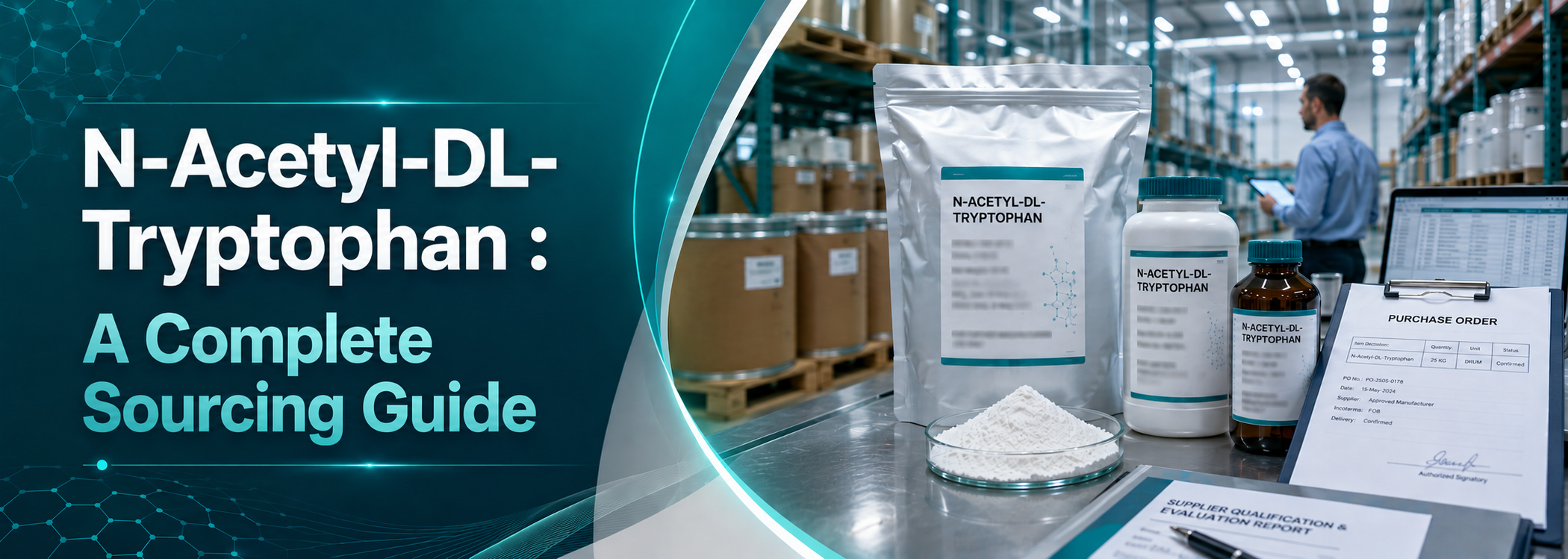
Quick answer: NADLT (N-Acetyl-DL-Tryptophan) is used primarily as a thermal stabilizer in human serum albumin and other blood-derived therapeutics, protecting the protein during the heat treatment used for viral inactivation. It's typically used alongside sodium caprylate, with the combination providing more effective stabilization than either compound alone. Secondary uses include analytical reference standard work and impurity marker applications in unrelated drug quality control testing.
NADLT ; N-Acetyl-DL-Tryptophan has a narrower and more specific application profile than most excipients discussed in pharmaceutical sourcing conversations. Rather than serving multiple, loosely related purposes across many formulation types, its use is concentrated almost entirely around one well-documented function: stabilizing blood-derived proteins during heat treatment.
The primary and best-documented use of NADLT is as a stabilizer in human serum albumin (HSA) manufacturing. Pharmaceutical-grade HSA contains stabilizers sodium caprylate and N-acetyltryptophanate to protect the protein from oxidative stress and to stabilize it for the heat treatment applied for virus inactivation. Without stabilization, heating purified albumin solutions during pasteurization can cause protein aggregation and polymer formation, compromising product quality.
Research studying this stabilization effect found a clear order of effectiveness among the tested combinations, with the combination of caprylate and acetyltryptophanate performing better than either stabilizer alone at equivalent concentrations, and caprylate alone outperforming acetyltryptophanate alone at matched concentrations. This is why the two are commonly used together in commercial albumin formulations rather than as alternatives to each other.
An important detail for buyers: research into this stabilization mechanism found that the D- and L-enantiomers of acetyltryptophan were equally effective as stabilizers, while the D- and L-enantiomers of unmodified tryptophan performed differently, with L-tryptophanate providing only slight stabilization and D-tryptophanate even less. This is part of why the racemic DL form of N-acetyltryptophan NADLT is the form commonly used industrially, since there's no stabilization benefit to isolating a single enantiomer once the acetyl group is present, but there is a cost benefit to using the more straightforward racemic synthesis route.
It's worth noting for formulators that NADLT and sodium caprylate don't just stabilize albumin passively research has shown that N-acetyltryptophan and sodium caprylate can displace bilirubin from its binding complex with human serum albumin, an effect relevant to how stabilized albumin behaves clinically compared to unstabilized albumin. Separately, industrial stabilizers caprylate and N-acetyltryptophanate have been studied for their effect on albumin's binding capacity for other substances in patients with liver disease, with some research suggesting stabilizer removal can improve albumin's binding function in specific clinical contexts. This is a consideration for drug developers and regulatory teams rather than a procurement decision, but it's useful context for understanding why stabilizer choice and concentration in albumin products is carefully controlled rather than arbitrary.
Outside its primary stabilizer role, N-Acetyl-DL-Tryptophan also appears in analytical method development and quality control contexts for example, as a characterized reference standard used in impurity testing and method validation work for unrelated drug substances. This is a smaller, more specialized use case compared to its role in albumin manufacturing, but it's a reason NADLT sometimes appears in QC and reference standard supplier catalogues alongside its primary biopharma stabilizer application.
Given how specific its application profile is, it's worth being clear about what NADLT generally isn't used for in pharmaceutical manufacturing: it's not a general-purpose tablet excipient (binder, filler, disintegrant, or lubricant), and it doesn't have the broad multi-formulation presence that compounds like microcrystalline cellulose or magnesium stearate do. Buyers encountering NADLT in a sourcing conversation should generally assume a biopharma stabilizer or analytical reference context rather than a solid oral dosage form application.
| Application | Role | Typical co-formulant | Grade considerations |
| Human serum albumin stabilization | Thermal/heat-treatment stabilizer | Sodium caprylate | Low microbial/endotoxin limits required |
| Other blood-derived protein products | Stabilizer during pasteurization | Varies by product | Biopharma-grade, documented bioburden data |
| Analytical/QC reference standard | Impurity marker, method validation | N/A | Characterized reference standard grade |
Why is NADLT usually combined with sodium caprylate rather than used alone?
Research on albumin thermal stabilization found that the combination provides more effective protection against protein polymer formation than either stabilizer used alone at equivalent concentrations, which is why commercial albumin formulations typically use both together rather than relying on NADLT as a sole stabilizer.
Does NADLT affect albumin's function in the body?
Some research indicates that NADLT and sodium caprylate can influence albumin's binding capacity for other substances, including bilirubin, which is a consideration in specific clinical contexts such as liver disease. This is a formulation and clinical consideration rather than a manufacturing/sourcing one, and dosing or formulation decisions should be made by qualified drug development and regulatory teams.
Is NADLT interchangeable with sodium caprylate?
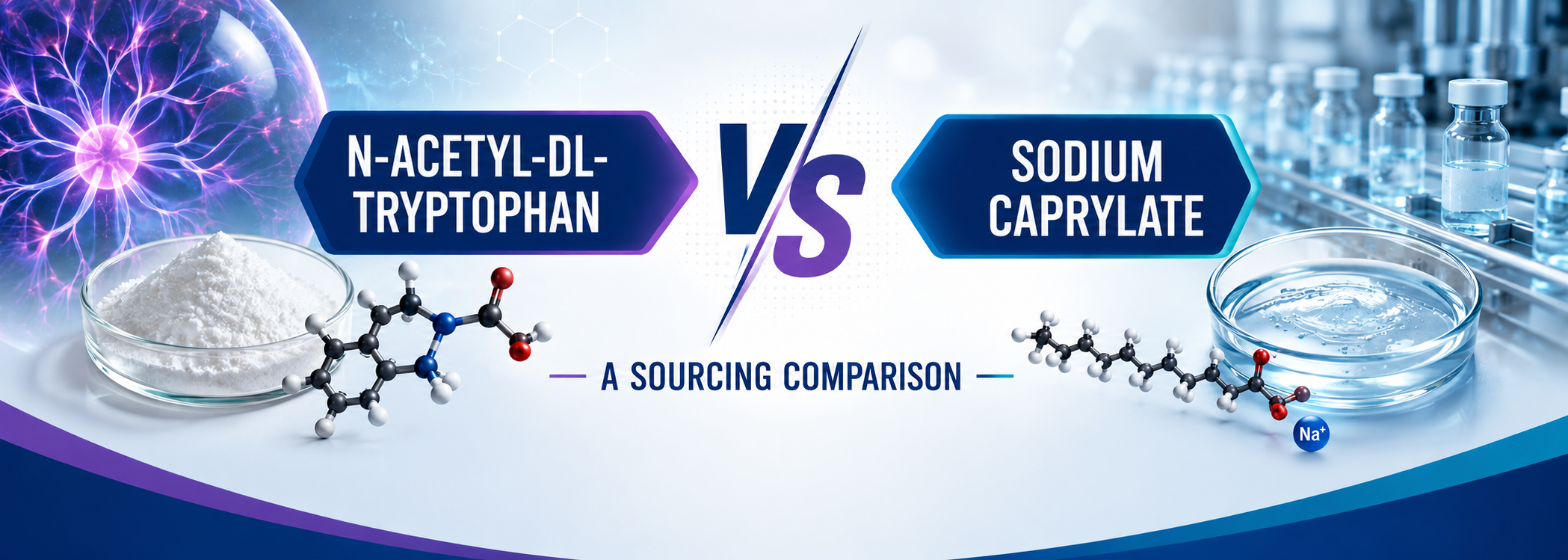
No they're chemically distinct stabilizers with different individual effectiveness profiles, and they're typically used together rather than as substitutes for each other. See our separate comparison post for a detailed breakdown of how the two differ.
NADLT's value in pharmaceutical manufacturing comes from a specific, well-researched mechanism: stabilizing blood-derived proteins like human serum albumin during heat treatment, typically alongside sodium caprylate. Understanding this narrow but important application helps buyers request the right grade and documentation rather than treating it as a general-purpose excipient.
Sourcing NADLT for albumin or blood-derived product stabilization? Compare specifications on Clyzo and request documentation with your quote.
We’d love to hear from you. Please fill out this form.
Ethanol 99% Injectable Grade: USP, Ph.Eur., BP, JP... ... Ethanol 99% Injectable Grade: USP, Ph.Eur., BP, JP & GMP Guide | Clyzo Read more
Ethanol 96% Injectable Grade in India: USP, Ph.Eur... ... Ethanol 96% Injectable Grade in India: USP, Ph.Eur., BP, JP & GMP | Clyzo Read more
Pharma Grade Ethanol: A Complete Guide to Injectab... ... Pharma Grade Ethanol: A Complete Guide to Injectable, USP, Ph.Eur., BP and IPEC Grades Read more
Online Pharma Ingredient Sourcing: A Practical Gui... ... Online Pharma Ingredient Sourcing: A Practical Guide for Buyers Read more
Pharma Raw Material Supplier in India: How to Choo... ... Pharma Raw Material Supplier in India: How to Choose the Right One Read more
Digital Pharma Sourcing in India: How B2B Buyers A... ... Digital Pharma Sourcing in India: How B2B Buyers Are Changing the Way They Source Excipients Read more
.png)
PEG 400 (Polyethylene Glycol 400) Pharmaceutical S... ... PEG 400 (Polyethylene Glycol 400) Pharmaceutical Supplier in India: Complete Guide Read more
PEG 4000 (Polyethylene Glycol 4000) Pharmaceutical... ... PEG 4000 (Polyethylene Glycol 4000) Pharmaceutical Supplier in India: Complete Guide Read more
Chicken, Liver, and Meat Flavor Pharmaceutical Exc... ... Chicken, Liver, and Meat Flavor Pharmaceutical Excipients: The Backbone of Veterinary Medicine Compliance in India Read more
Polysorbate 80 Pharmaceutical Grade Supplier India... ... Polysorbate 80 Pharmaceutical Grade Supplier India: The Complete Sourcing Guide Read more
Polysorbate 80 Pharmaceutical Grade India: 10 Fact... ... Polysorbate 80 Pharmaceutical Grade India: 10 Facts Every Buyer Should Know Read more
PS 80 Excipient Supplier India: A 10 Point Buyer C... ... PS 80 Excipient Supplier India: A 10 Point Buyer Checklist Read more
Polysorbate 80 Injectable Grade Excipient: 10 Fact... ... Polysorbate 80 Injectable Grade Excipient: 10 Facts You Need to Know Read more
Polysorbate 80 USP NF Bulk Supplier: A 10 Point So... ... Polysorbate 80 USP NF Bulk Supplier: A 10 Point Sourcing Checklist Read more
Polysorbate 80 Pharmaceutical Grade India: What Bu... ... Polysorbate 80 Pharmaceutical Grade India: What Buyers Need to Know Read more
PS 80 Excipient Supplier India: How to Choose the ... ... PS 80 Excipient Supplier India: How to Choose the Right Partner Read more
Polysorbate 80 Injectable Grade Excipient: A Sourc... ... Polysorbate 80 Injectable Grade Excipient: A Sourcing Guide for Parenteral Formulations Read more
Polysorbate 80 USP NF Bulk Supplier: What to Know ... ... Polysorbate 80 USP NF Bulk Supplier: What to Know Before You Scale Up Read more
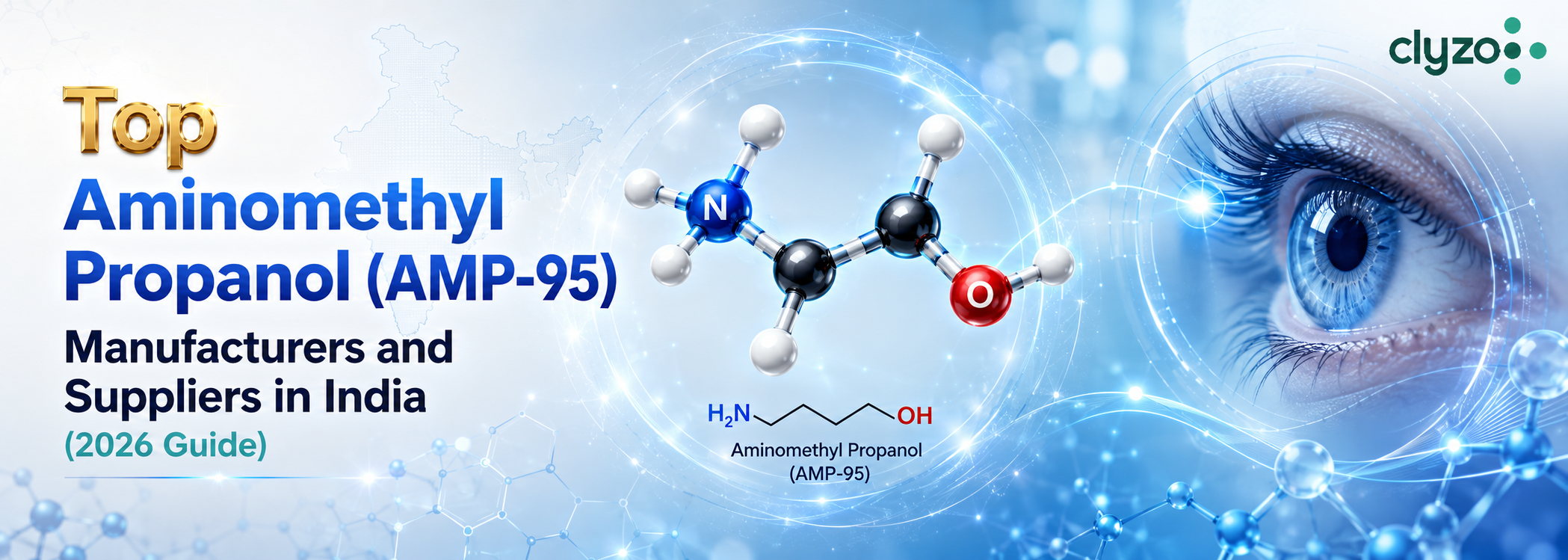
Top AMP-95 (Aminomethyl Propanol) Manufacturers an... ... Top AMP-95 (Aminomethyl Propanol) Manufacturers and Suppliers in India (2026 Guide) Read more
.jpg)
How AMP Works as a pH Buffer in Injectable, Ophtha... ... How AMP Works as a pH Buffer in Injectable, Ophthalmic, and Topical Formulations Read more
.jpg)
AMP vs Other Alkalizing Agents in Pharma Formulati... ... AMP vs Other Alkalizing Agents in Pharma Formulations: TRIS, Triethanolamine, and Sodium Hydroxide Compared Read more
AMP Excipient Safety: Toxicity, Irritation Potenti... ... AMP Excipient Safety: Toxicity, Irritation Potential, and Regulatory Status Read more
Chlorobutanol Preservative Safety: Toxicity Data, ... ... Chlorobutanol Preservative Safety: Toxicity Data, Regulatory Status, and Usage Limits Read more
Top Chlorobutanol Anhydrous Manufacturers and Supp... ... Top Chlorobutanol Anhydrous Manufacturers and Suppliers in India (2026 Guide) Read more
Chlorobutanol as a Preservative in Injectables, Ey... ... Chlorobutanol as a Preservative in Injectables, Eye Drops, and Nasal Sprays Read more
Chlorobutanol Anhydrous vs Hemihydrate: Which Grad... ... Chlorobutanol Anhydrous vs Hemihydrate: Which Grade Should You Choose? Read more
Chlorobutanol Anhydrous Pharmaceutical Excipient: ... ... Chlorobutanol Anhydrous Pharmaceutical Excipient: Uses, Grades, and Sourcing in India Read more
Benzyl Alcohol: A Pharmaceutical Excipient India S... ... Benzyl Alcohol: A Pharmaceutical Excipient India Supplier Guide for Preservative Sourcing Read more
Tyloxapol: A Specialized Pharmaceutical Excipient ... ... Tyloxapol: A Specialized Pharmaceutical Excipient Supplier in India Can Help You Source Correctly Read more
SLS (Sodium Lauryl Sulfate): A Complete Guide for ... ... SLS (Sodium Lauryl Sulfate): A Complete Guide for Pharma Excipient Buyers in India Read more
.jpg)
Polysorbate 80 (PS 80): The Pharmaceutical Excipie... ... Polysorbate 80 (PS 80): The Pharmaceutical Excipient Supplier India Trusts for Surfactant Applications Read more
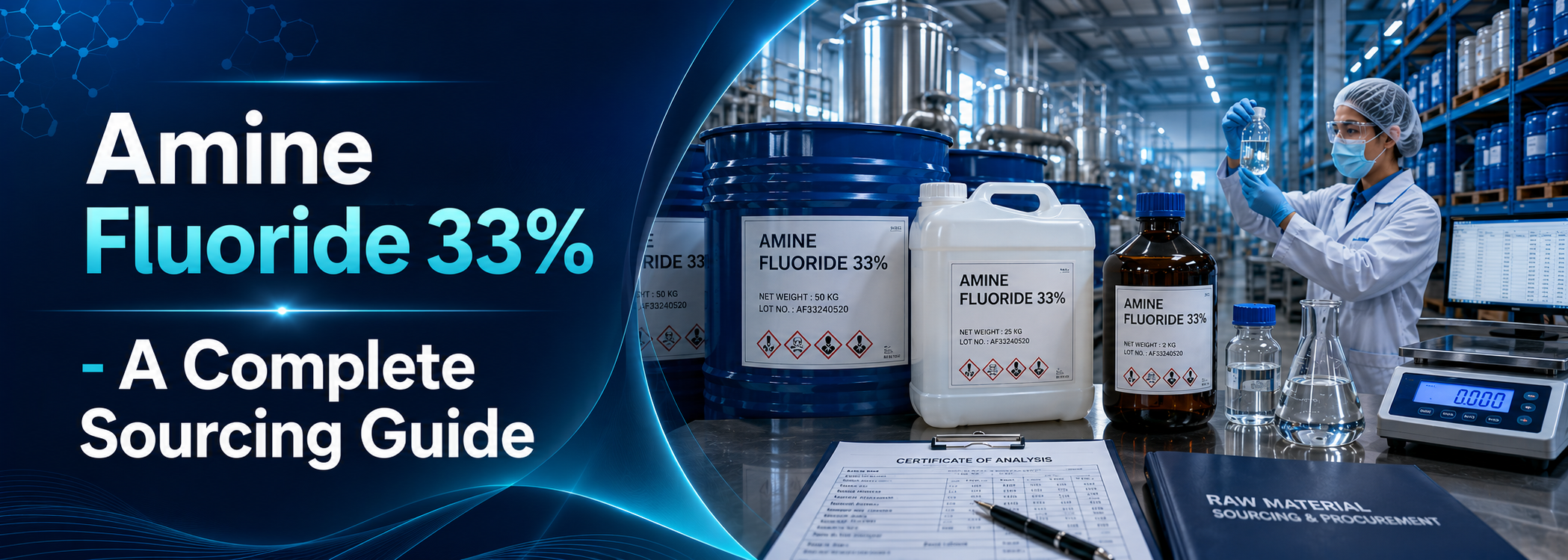
Amine Fluoride 33%: Sourcing Guide for This Pharma... ... Amine Fluoride 33%: Sourcing Guide for This Pharmaceutical Excipient Supplier Ingredient Read more
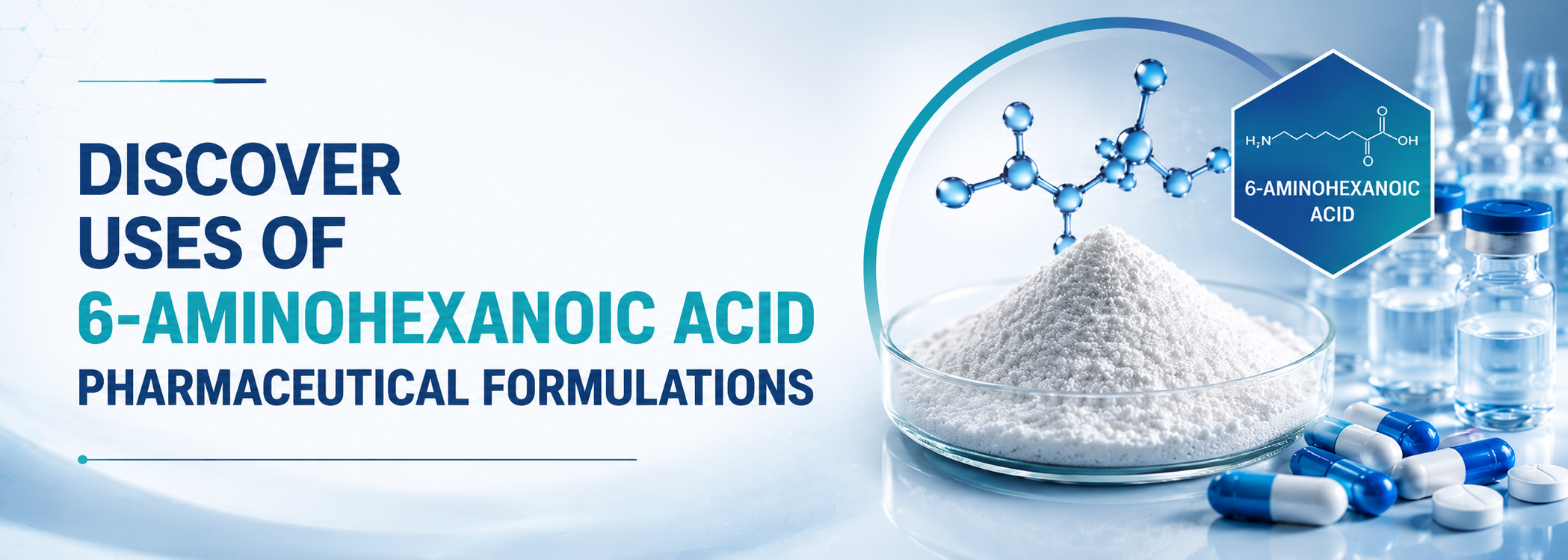
6-Aminohexanoic Acid: Uses in Pharmaceutical Formu... ... 6-Aminohexanoic Acid: Uses in Pharmaceutical Formulations Read more
How to Source Pharmacopoeial-Grade 6-Aminohexanoic... ... How to Source Pharmacopoeial-Grade 6-Aminohexanoic Acid Online in India Read more
6-Aminohexanoic Acid Specifications: What Buyers S... ... 6-Aminohexanoic Acid Specifications: What Buyers Should Check Before Purchase Read more
6-Aminohexanoic Acid Supplier in India: A Complete... ... 6-Aminohexanoic Acid Supplier in India: A Complete Sourcing Guide Read more
.png)
L-Arginine Hydrochloride Excipient Supplier in Ind... ... L-Arginine Hydrochloride Excipient Supplier in India Read more



.png)
.png)