Tech-driven pharma ingredients
Ingredient sourcing platform
Regulatory compliance platform
Specialized excipients developed to maintain stability, sterility, and compatibility in injectable formulations, ensuring safety and efficacy in every dose.
Comprehensive solutions supporting every stage of biologics development—formulated for purity, process efficiency, and superior therapeutic performance.
High-purity amino acid excipients engineered to enhance formulation stability, solubility, and bioavailability across a wide range of dosage forms.
Pharma-grade excipients designed with low endotoxin levels to support consistent quality and performance throughout vaccine formulation and production.
A trusted range of plasma-derived materials, Manufactured to meet global standards of purity and compliance.
Pharmaceutical-grade excipients that adhere to leading pharmacopeial monographs, ensuring regulatory readiness and uncompromised quality for global markets.
We collaborate with R&D labs on diverse product developments, transforming innovative ideas into ingredients that meet global quality and regulatory standards.
Expand your global reach with Clyzo’s advanced technology solutions. Maximize capacity utilization, streamline tech transfers, and bring new projects to market faster and more efficiently.
23-07-2026
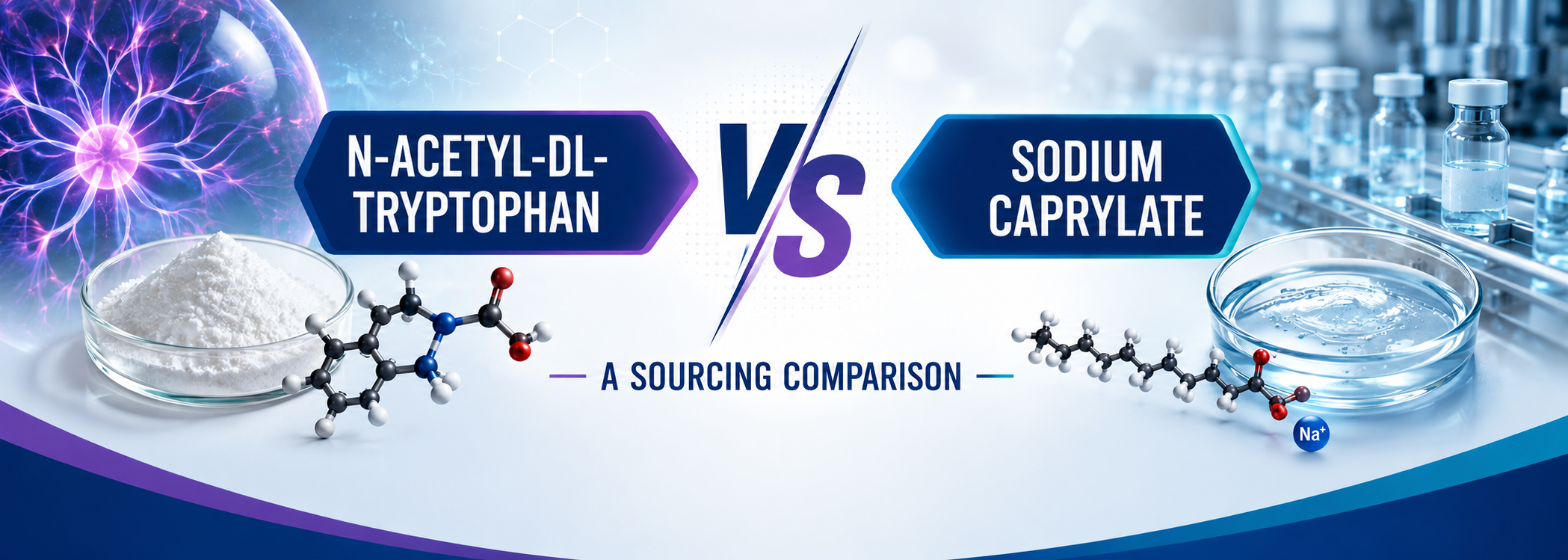
Quick answer: NADLT (N-Acetyl-DL-Tryptophan) and sodium caprylate are the two industry-standard stabilizers used together in pharmaceutical-grade human serum albumin to protect the protein during heat treatment for viral inactivation. Research shows sodium caprylate alone is generally more effective at equivalent molar concentrations than NADLT alone, but the combination of both provides better thermal stabilization than either used individually which is why virtually all commercial albumin formulations use both rather than choosing one over the other.
Formulators and procurement teams working on human serum albumin or other blood-derived protein products inevitably encounter both NADLT and sodium caprylate, since pharmaceutical-grade HSA contains both stabilizers sodium caprylate and N-acetyltryptophanate to protect the protein from oxidative stress and stabilize it for heat treatment. Understanding how the two compare, rather than treating them as interchangeable alternatives, is essential for both formulation and sourcing decisions.
NADLT is a synthetic derivative of the amino acid tryptophan, acetylated at the nitrogen position. Sodium caprylate is the sodium salt of caprylic acid (octanoic acid), a medium-chain fatty acid. The two compounds are chemically unrelated one is an amino acid derivative, the other a fatty acid salt but both bind to human serum albumin and, in doing so, help stabilize its structure against the heat-induced polymer formation that would otherwise occur during pasteurization.
Research comparing the two directly found a clear order of stabilizing effectiveness: the combination of caprylate and acetyltryptophanate performed best, closely followed by caprylate alone, which outperformed acetyltryptophanate alone even at double the molar concentration. In practical terms, this means sodium caprylate is the more potent single stabilizer on a molar basis, but NADLT contributes meaningfully to overall stability when used alongside it which is why the combination, rather than either compound alone, is the standard approach in commercial albumin manufacturing.
Beyond thermal stabilization, both compounds interact with albumin's binding sites for other substances. Research comparing the two found that, at matched concentrations, albumin binding capacity was lower when caprylate was added than when N-acetyltryptophan was added, suggesting caprylate has a somewhat greater affinity for albumin's binding sites than NADLT does. Separately, both stabilizers have been shown to displace bilirubin from its complex with albumin, an effect that becomes clinically relevant in specific patient populations, such as those with liver disease, where albumin's binding function matters for treatment efficacy.
| Factor | NADLT (N-Acetyl-DL-Tryptophan) | Sodium Caprylate |
| Chemical class | Acetylated amino acid derivative | Medium-chain fatty acid salt |
| Relative stabilizing potency (per molar concentration) | Lower than caprylate alone | Higher than NADLT alone |
| Typical use | Combined with sodium caprylate | Combined with NADLT |
| Compendial monograph status | No established NF monograph; proposed monograph based on validated HPLC methods | More established as a commonly referenced pharmaceutical excipient |
| Primary buyer base | Biopharma/plasma-product manufacturers | Biopharma/plasma-product manufacturers, plus broader pharmaceutical and nutritional uses |
| Sourcing complexity | Narrower supplier base given specialty status | Somewhat broader supplier base due to wider general use |
Because the two stabilizers are used in combination in nearly all commercial albumin formulations, procurement for one typically comes with procurement for the other as a paired requirement not a comparison of alternatives to pick between. This is different from, say, comparing two disintegrants where a formulator picks one over the other. For albumin manufacturing, the relevant sourcing question is usually "can this supplier reliably provide both, with matched documentation and quality standards," rather than "which one should I choose."
If you're sourcing stabilizers for an established albumin formulation, your specification will already call for both compounds at defined ratios the comparison here is informational rather than a live sourcing decision. But for teams evaluating new formulation approaches or benchmarking supplier options, it's worth knowing that NADLT's compendial status is less settled than sodium caprylate's, which means documentation requests (particularly around analytical method reference) may need to be more specific for NADLT than for caprylate.
It's also worth sourcing both stabilizers from suppliers who can demonstrate specific experience with albumin or blood-product stabilization use cases, rather than general specialty chemical suppliers, given how tightly controlled the quality requirements are for both compounds in this application.
Can sodium caprylate be used alone without NADLT in albumin formulations?
Research indicates caprylate alone is more effective than NADLT alone at matched concentrations, and raising caprylate concentration further provided little additional stabilization benefit beyond a certain point but the combination of both compounds outperformed caprylate alone, which is why standard commercial formulations use both together rather than caprylate in isolation.
Is one stabilizer easier to source than the other?
Sodium caprylate generally has a more established compendial and supply history given its broader pharmaceutical and nutritional applications, while NADLT's supplier base is narrower and more specifically tied to biopharma stabilizer use.
Do both stabilizers need to come from the same supplier?
Not necessarily, but sourcing both from a supplier experienced specifically in biopharma stabilizer applications rather than mixing a specialty supplier for one and a general distributor for the other can simplify documentation consistency across your formulation's raw material dossier.
NADLT and sodium caprylate aren't competing options for the same job they're complementary stabilizers used together in virtually all commercial human serum albumin formulations. Sodium caprylate is the more potent individual stabilizer and has a more established compendial history, while NADLT's contribution is essential to the combined stabilization effect that commercial formulations rely on. Sourcing decisions should focus on documentation consistency and supplier experience with this specific application, rather than choosing one compound over the other.
Sourcing both albumin stabilizers for a biopharma formulation? Compare NADLT and sodium caprylate specifications on Clyzo with documentation available for both.
We’d love to hear from you. Please fill out this form.
Ethanol 99% Injectable Grade: USP, Ph.Eur., BP, JP... ... Ethanol 99% Injectable Grade: USP, Ph.Eur., BP, JP & GMP Guide | Clyzo Read more
Ethanol 96% Injectable Grade in India: USP, Ph.Eur... ... Ethanol 96% Injectable Grade in India: USP, Ph.Eur., BP, JP & GMP | Clyzo Read more
Pharma Grade Ethanol: A Complete Guide to Injectab... ... Pharma Grade Ethanol: A Complete Guide to Injectable, USP, Ph.Eur., BP and IPEC Grades Read more
Online Pharma Ingredient Sourcing: A Practical Gui... ... Online Pharma Ingredient Sourcing: A Practical Guide for Buyers Read more
Pharma Raw Material Supplier in India: How to Choo... ... Pharma Raw Material Supplier in India: How to Choose the Right One Read more
Digital Pharma Sourcing in India: How B2B Buyers A... ... Digital Pharma Sourcing in India: How B2B Buyers Are Changing the Way They Source Excipients Read more
.png)
PEG 400 (Polyethylene Glycol 400) Pharmaceutical S... ... PEG 400 (Polyethylene Glycol 400) Pharmaceutical Supplier in India: Complete Guide Read more
PEG 4000 (Polyethylene Glycol 4000) Pharmaceutical... ... PEG 4000 (Polyethylene Glycol 4000) Pharmaceutical Supplier in India: Complete Guide Read more
Chicken, Liver, and Meat Flavor Pharmaceutical Exc... ... Chicken, Liver, and Meat Flavor Pharmaceutical Excipients: The Backbone of Veterinary Medicine Compliance in India Read more
Polysorbate 80 Pharmaceutical Grade Supplier India... ... Polysorbate 80 Pharmaceutical Grade Supplier India: The Complete Sourcing Guide Read more
Polysorbate 80 Pharmaceutical Grade India: 10 Fact... ... Polysorbate 80 Pharmaceutical Grade India: 10 Facts Every Buyer Should Know Read more
PS 80 Excipient Supplier India: A 10 Point Buyer C... ... PS 80 Excipient Supplier India: A 10 Point Buyer Checklist Read more
Polysorbate 80 Injectable Grade Excipient: 10 Fact... ... Polysorbate 80 Injectable Grade Excipient: 10 Facts You Need to Know Read more
Polysorbate 80 USP NF Bulk Supplier: A 10 Point So... ... Polysorbate 80 USP NF Bulk Supplier: A 10 Point Sourcing Checklist Read more
Polysorbate 80 Pharmaceutical Grade India: What Bu... ... Polysorbate 80 Pharmaceutical Grade India: What Buyers Need to Know Read more
PS 80 Excipient Supplier India: How to Choose the ... ... PS 80 Excipient Supplier India: How to Choose the Right Partner Read more
Polysorbate 80 Injectable Grade Excipient: A Sourc... ... Polysorbate 80 Injectable Grade Excipient: A Sourcing Guide for Parenteral Formulations Read more
Polysorbate 80 USP NF Bulk Supplier: What to Know ... ... Polysorbate 80 USP NF Bulk Supplier: What to Know Before You Scale Up Read more
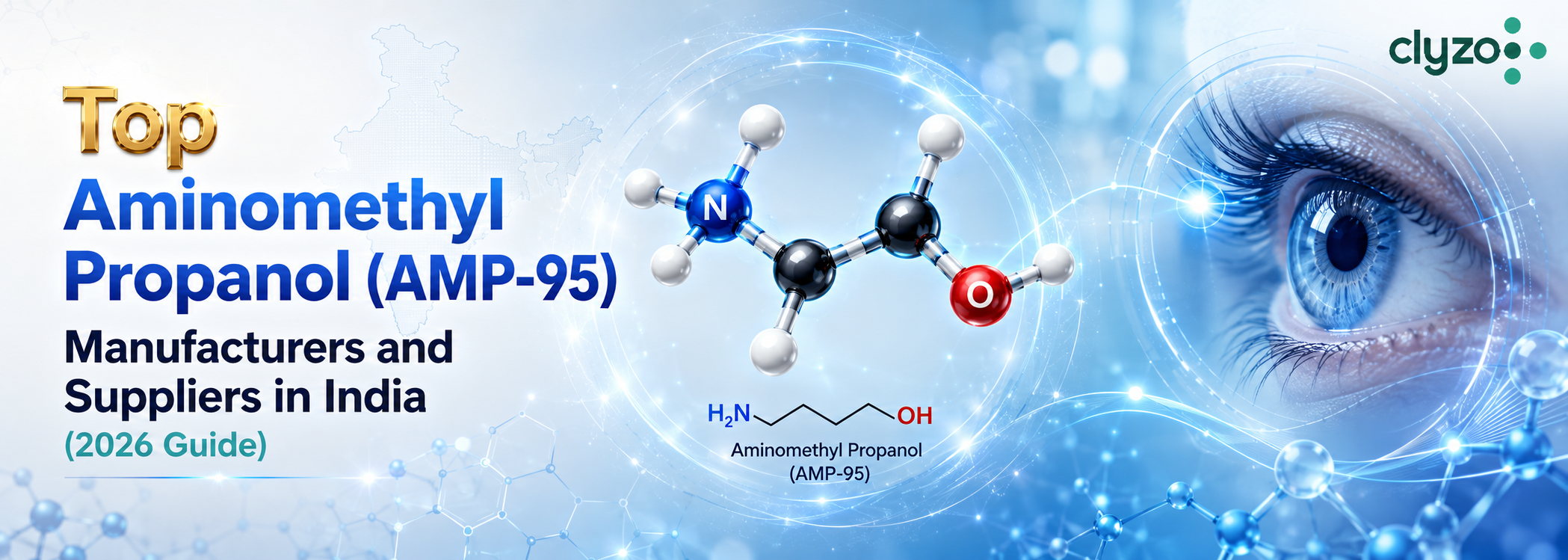
Top AMP-95 (Aminomethyl Propanol) Manufacturers an... ... Top AMP-95 (Aminomethyl Propanol) Manufacturers and Suppliers in India (2026 Guide) Read more
.jpg)
How AMP Works as a pH Buffer in Injectable, Ophtha... ... How AMP Works as a pH Buffer in Injectable, Ophthalmic, and Topical Formulations Read more
.jpg)
AMP vs Other Alkalizing Agents in Pharma Formulati... ... AMP vs Other Alkalizing Agents in Pharma Formulations: TRIS, Triethanolamine, and Sodium Hydroxide Compared Read more
AMP Excipient Safety: Toxicity, Irritation Potenti... ... AMP Excipient Safety: Toxicity, Irritation Potential, and Regulatory Status Read more
Chlorobutanol Preservative Safety: Toxicity Data, ... ... Chlorobutanol Preservative Safety: Toxicity Data, Regulatory Status, and Usage Limits Read more
Top Chlorobutanol Anhydrous Manufacturers and Supp... ... Top Chlorobutanol Anhydrous Manufacturers and Suppliers in India (2026 Guide) Read more
Chlorobutanol as a Preservative in Injectables, Ey... ... Chlorobutanol as a Preservative in Injectables, Eye Drops, and Nasal Sprays Read more
Chlorobutanol Anhydrous vs Hemihydrate: Which Grad... ... Chlorobutanol Anhydrous vs Hemihydrate: Which Grade Should You Choose? Read more
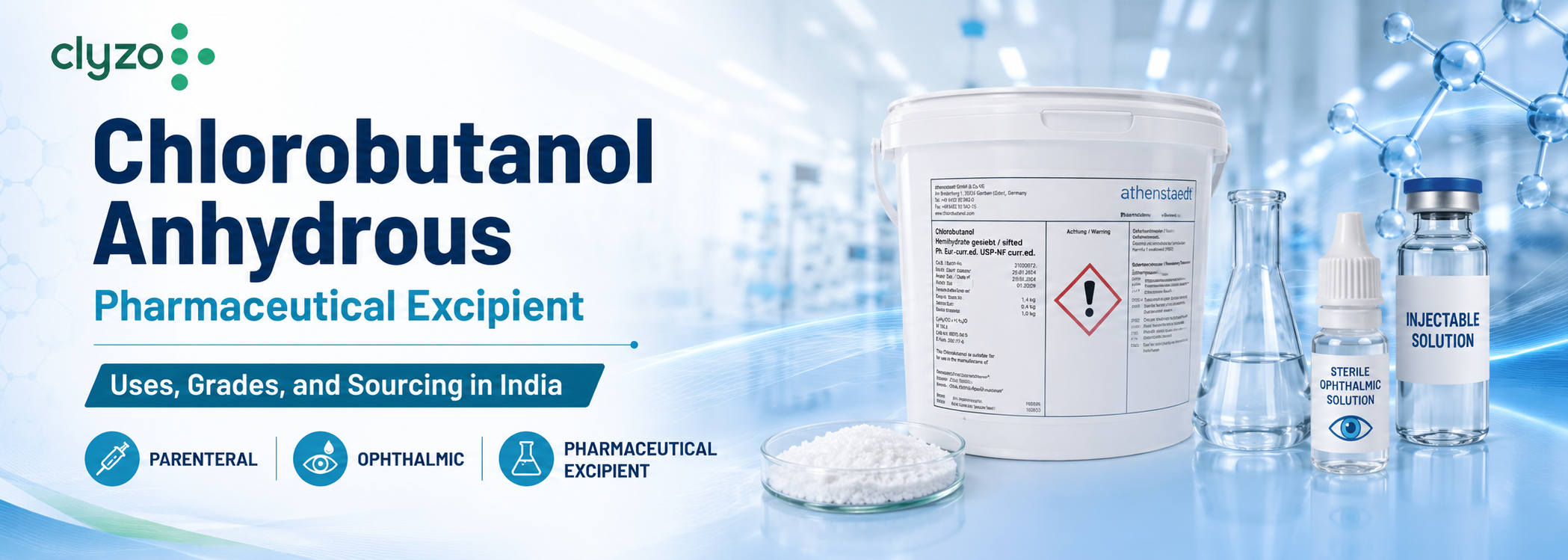
Chlorobutanol Anhydrous Pharmaceutical Excipient: ... ... Chlorobutanol Anhydrous Pharmaceutical Excipient: Uses, Grades, and Sourcing in India Read more
Benzyl Alcohol: A Pharmaceutical Excipient India S... ... Benzyl Alcohol: A Pharmaceutical Excipient India Supplier Guide for Preservative Sourcing Read more
Tyloxapol: A Specialized Pharmaceutical Excipient ... ... Tyloxapol: A Specialized Pharmaceutical Excipient Supplier in India Can Help You Source Correctly Read more
SLS (Sodium Lauryl Sulfate): A Complete Guide for ... ... SLS (Sodium Lauryl Sulfate): A Complete Guide for Pharma Excipient Buyers in India Read more
.jpg)
Polysorbate 80 (PS 80): The Pharmaceutical Excipie... ... Polysorbate 80 (PS 80): The Pharmaceutical Excipient Supplier India Trusts for Surfactant Applications Read more
Amine Fluoride 33%: Sourcing Guide for This Pharma... ... Amine Fluoride 33%: Sourcing Guide for This Pharmaceutical Excipient Supplier Ingredient Read more
6-Aminohexanoic Acid: Uses in Pharmaceutical Formu... ... 6-Aminohexanoic Acid: Uses in Pharmaceutical Formulations Read more
How to Source Pharmacopoeial-Grade 6-Aminohexanoic... ... How to Source Pharmacopoeial-Grade 6-Aminohexanoic Acid Online in India Read more
6-Aminohexanoic Acid Specifications: What Buyers S... ... 6-Aminohexanoic Acid Specifications: What Buyers Should Check Before Purchase Read more
6-Aminohexanoic Acid Supplier in India: A Complete... ... 6-Aminohexanoic Acid Supplier in India: A Complete Sourcing Guide Read more
.png)
L-Arginine Hydrochloride Excipient Supplier in Ind... ... L-Arginine Hydrochloride Excipient Supplier in India Read more



.png)
.png)